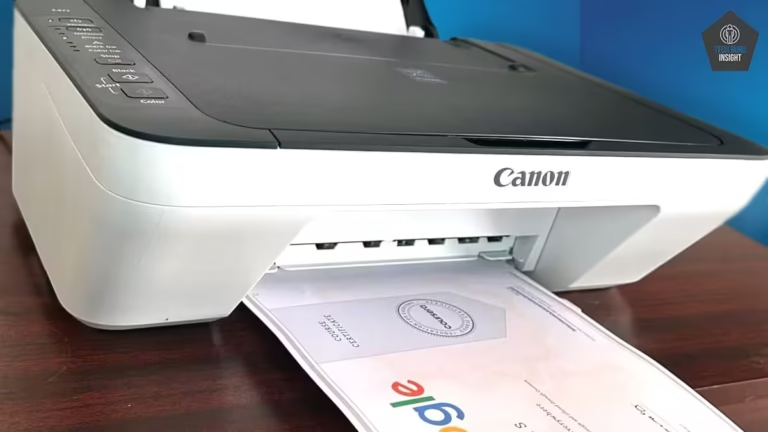
Inkjet vs Ink Tank vs Laser: The Ultimate Printer Buying Guide (2026)
“Choosing the wrong printer can cost far more than you expect — from expensive ink replacements to frequent maintenance and slow performance. While inkjet, ink tank, and laser printers all seem like great options, each is built for a different type of user.”
👉 Last Updated: January 2026 — Tested against the latest printer models and running cost data.
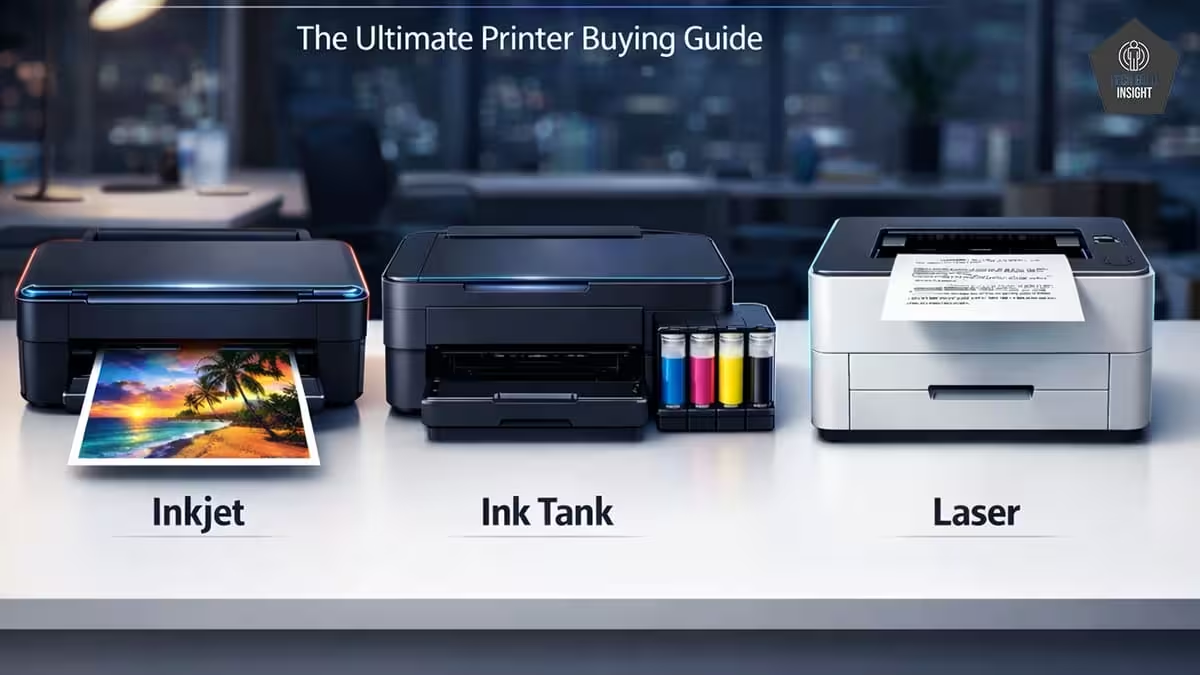
⚡ Too Long? Here’s the Quick Recommendation
Print occasionally (under 100 pages/month)? → Choose an Inkjet printer.
Want the lowest long-term printing cost? → An Ink Tank printer is your best investment.
Print large volumes or mostly text? → Go with a Laser printer for speed and reliability.
👉 Still unsure? If your printing needs may grow, an ink tank printer is often the safest long-term choice for most households.
So, which printer is best for home use? And when comparing laser vs ink tank cost per page, which one truly saves money over time?
This ultimate 2026 guide explains the key differences in cost, quality, speed, and reliability, helping you choose the right printer with confidence and avoid costly mistakes.
Expert Insight
“The biggest mistake buyers make is underestimating future print volume. If your usage might grow, skipping a cartridge printer and investing in an ink tank often prevents expensive upgrades later.”
Quick Answer — Inkjet vs Ink Tank vs Laser
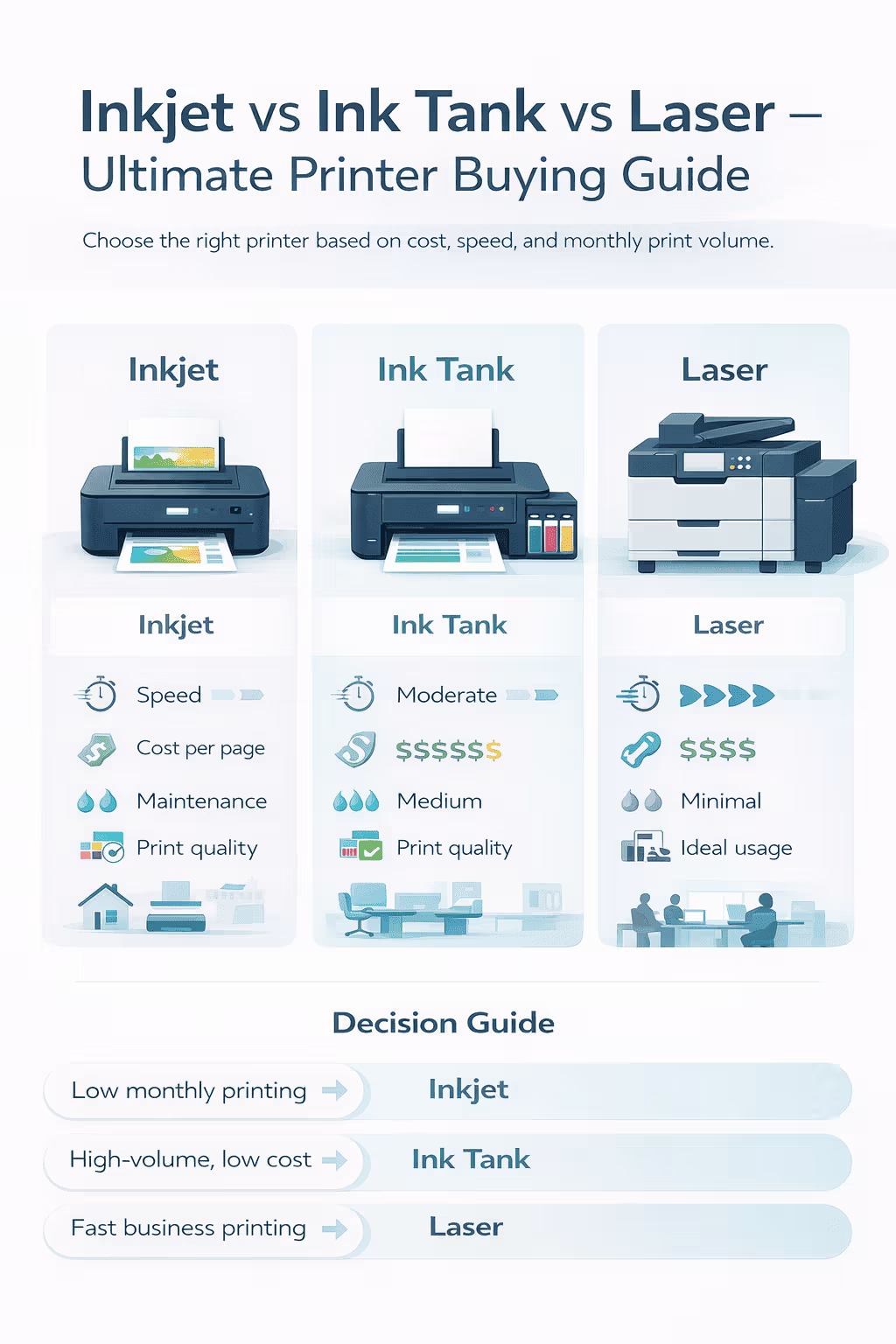
Inkjet printers are best for low-volume color printing, ink tank printers offer the lowest cost per page for frequent users, and laser printers deliver the fastest, sharpest text with minimal maintenance. The right printer depends mainly on how much you print each month and what you print most.
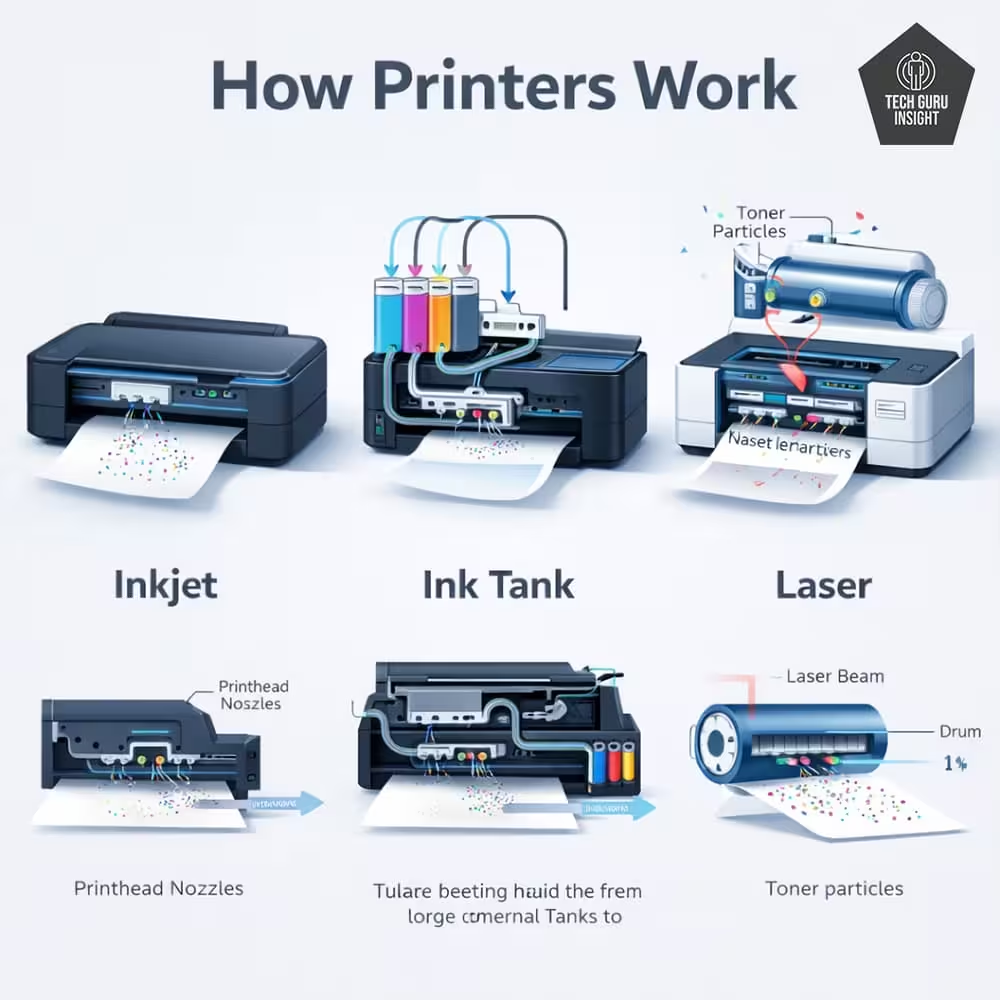
How Each Printer Technology Works
Understanding how different printer technologies function can help you make a smarter buying decision. Inkjet, ink tank, and laser printers may seem similar from the outside, but they use completely different methods to produce text and images, which directly impacts print quality, speed, maintenance, and long-term cost.
How Inkjet Printers Work
Inkjet printers create documents by spraying thousands of microscopic ink droplets onto paper through a printhead. These droplets combine to form sharp text and detailed images, making inkjets especially good for color prints and photos.
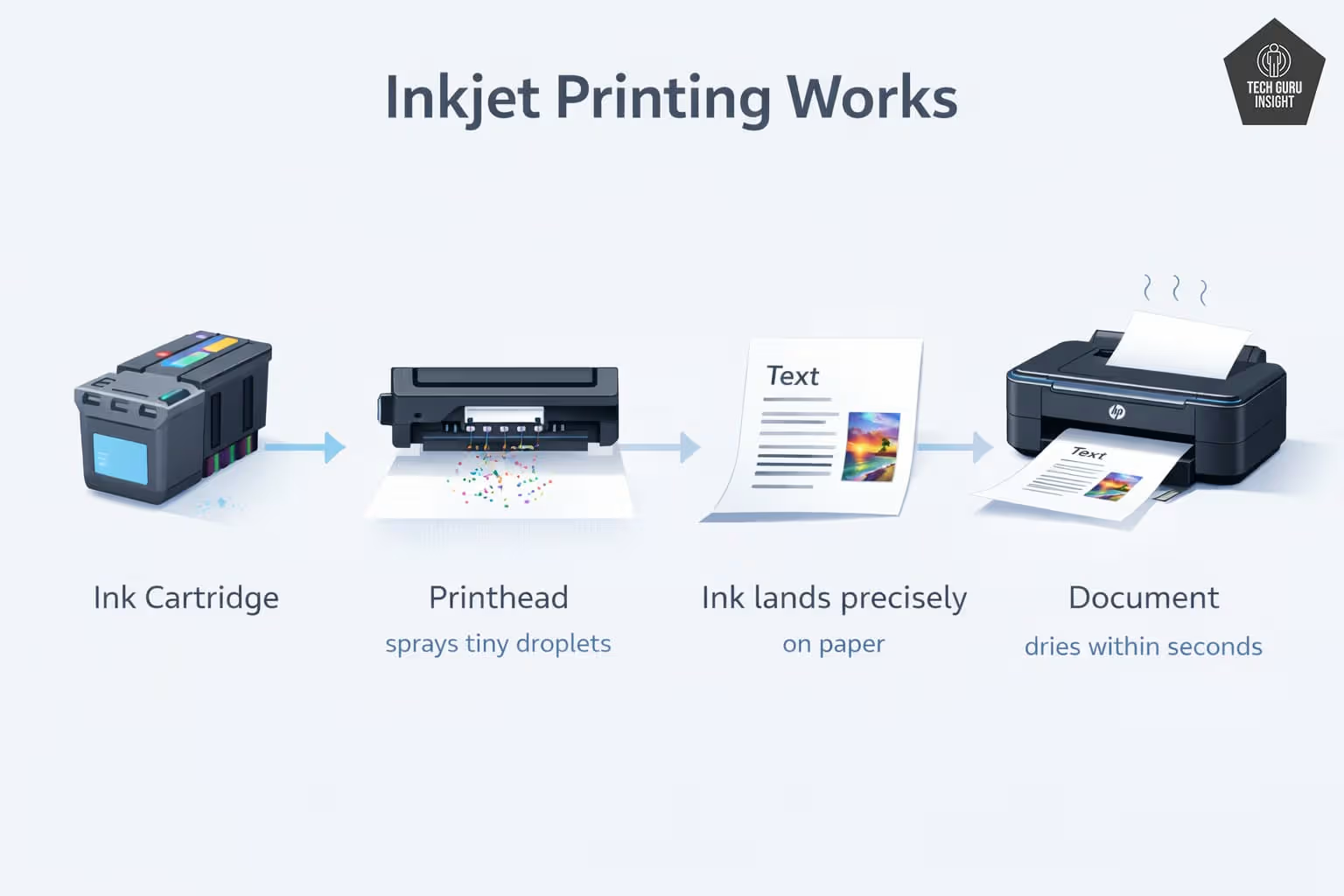
Most inkjet printers use replaceable cartridges that contain liquid ink. While the printers themselves are often affordable, the cartridges can run out quickly if you print frequently, leading to higher running costs. They are best suited for occasional printing, such as school assignments, travel tickets, or photos.
How Ink Tank Printers Work
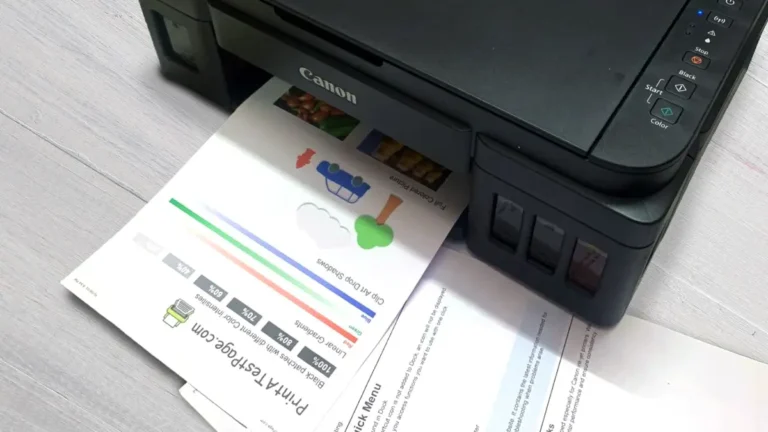
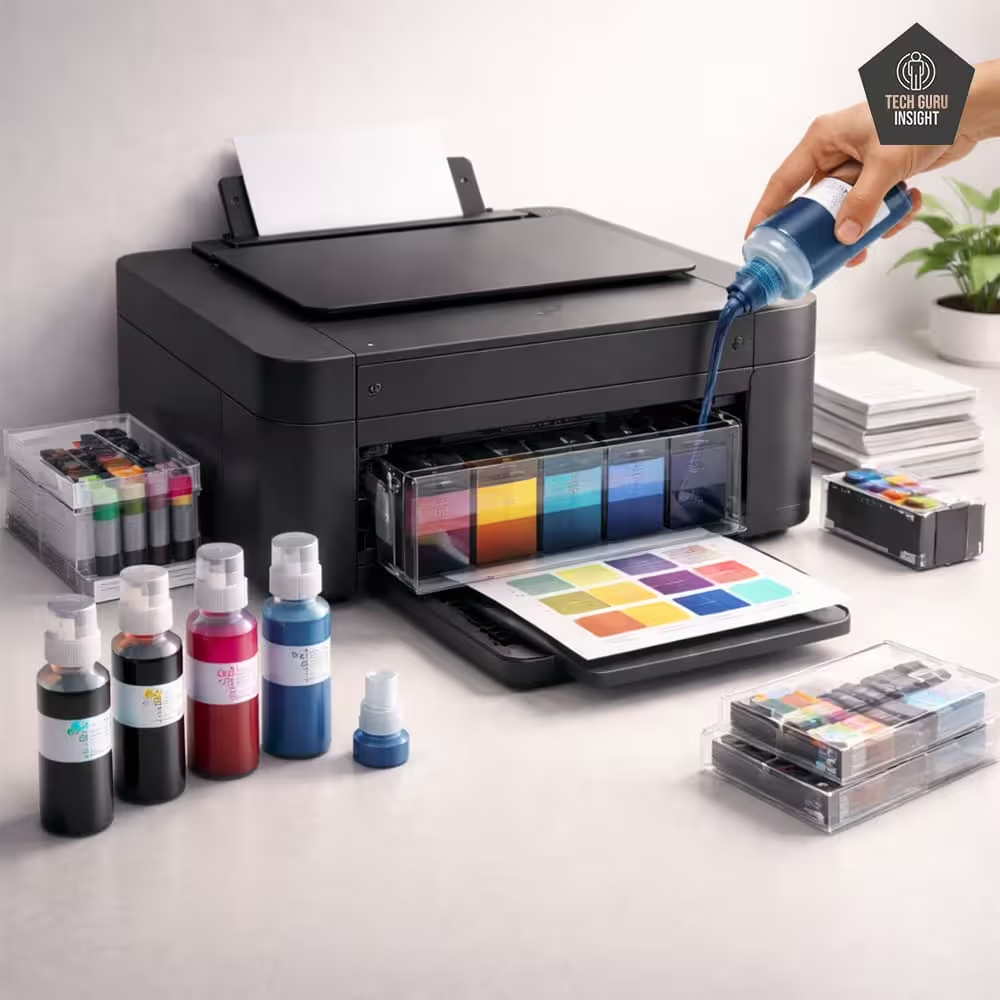
Ink tank printers operate on similar technology to inkjets, but with one major difference — instead of small cartridges, they use large, refillable ink tanks. These tanks hold significantly more ink, allowing you to print thousands of pages before needing a refill.
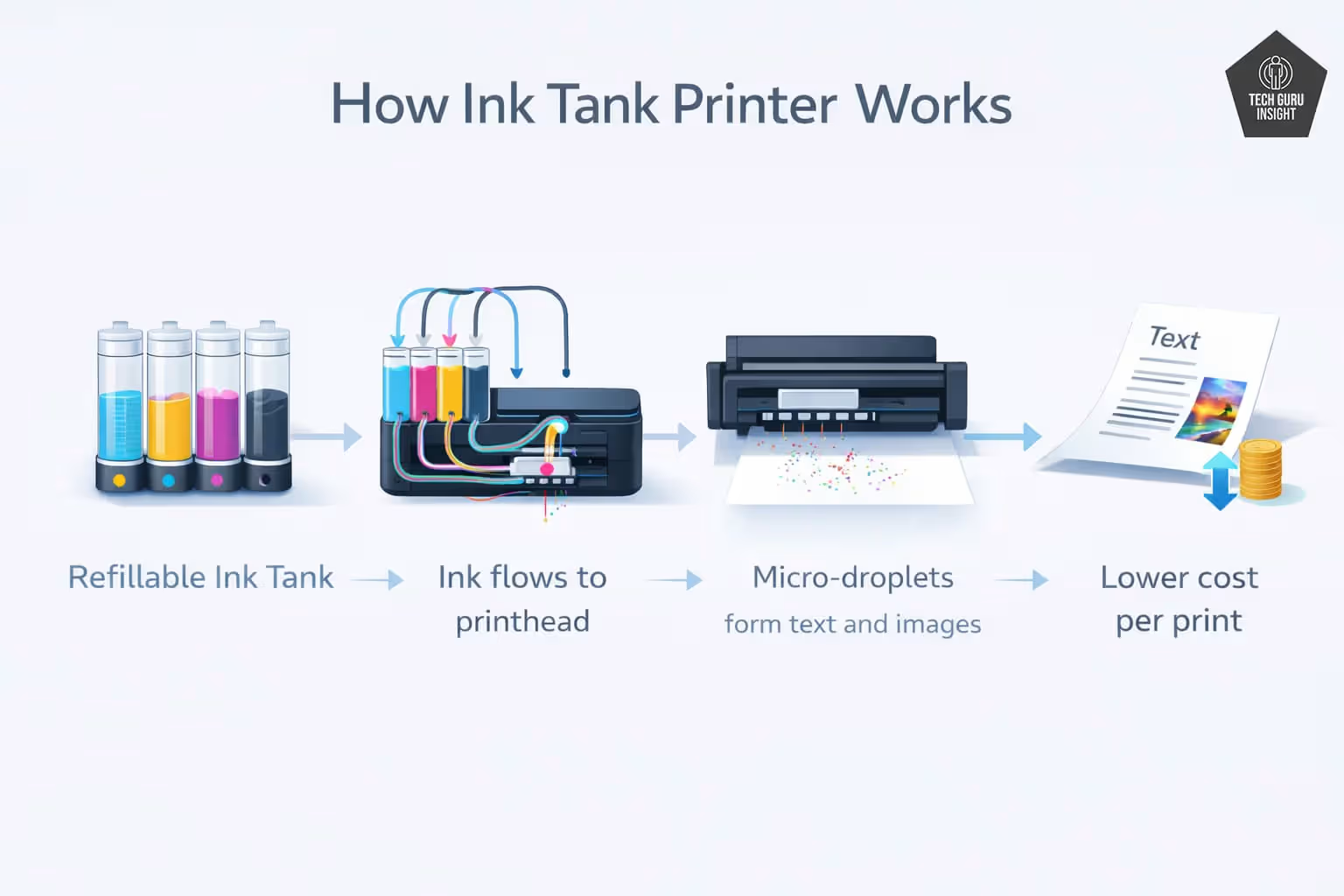
Because bottled ink is far cheaper than cartridges, ink tank printers offer one of the lowest costs per page available today. This makes them an excellent choice for families, students, and small offices that print regularly. If keeping printing expenses under control is a priority, learning how to reduce printing costs can help you maximize the value of an ink tank printer even further.
How Laser Printers Work
Laser printers use a completely different process that relies on static electricity and powdered toner instead of liquid ink. A laser beam creates an electrostatic pattern on a rotating drum, which attracts toner particles. The toner is then fused onto the paper using heat, producing crisp, smudge-resistant prints.
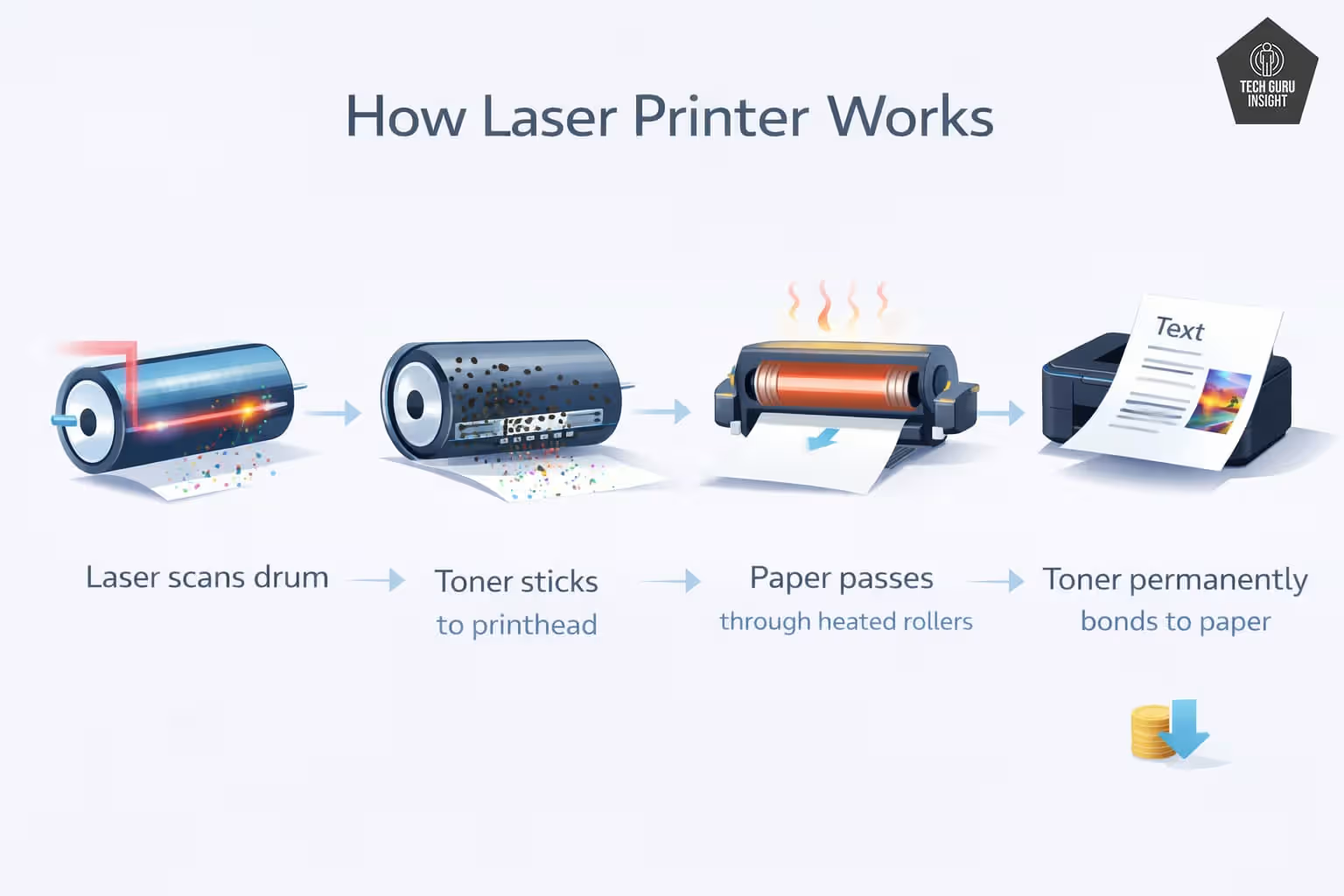
This technology makes laser printers exceptionally fast, reliable, and ideal for high-volume text documents. They also require less frequent intervention compared to ink-based printers. When evaluating whether a laser printer matches your workload, it’s important to understand concepts like the printer duty cycle, which indicates how much a printer can handle each month without excessive wear.
Side-by-Side Comparison: Inkjet vs Ink Tank vs Laser
For the fastest way to understand which printer suits your needs, start here. This quick comparison highlights the most important differences — including cost, speed, maintenance, and ideal usage — so you can narrow down the right choice within seconds.
| Feature | Inkjet | Ink Tank | Laser |
| Upfront Cost | Low | Medium | Medium–High |
| Cost Per Page | High | Very Low | Low |
| Print Speed | Slow | Moderate | Fast |
| Maintenance | Medium | Low | Very Low |
| Best For | Casual users | Families / small offices | Businesses |
| Color Quality | Excellent | Excellent | Good |
| Recommended Monthly Volume | <150 pages | 200–3000 pages | 500–5000 pages |
Quick Insight:
Choose an inkjet if you print occasionally and want strong color output at a low initial price.
Pick an ink tank printer if you print frequently and want to minimize long-term costs.
Go for a laser printer if speed, sharp text, and reliability are your top priorities.
Which Printer Has the Lowest Running Cost?
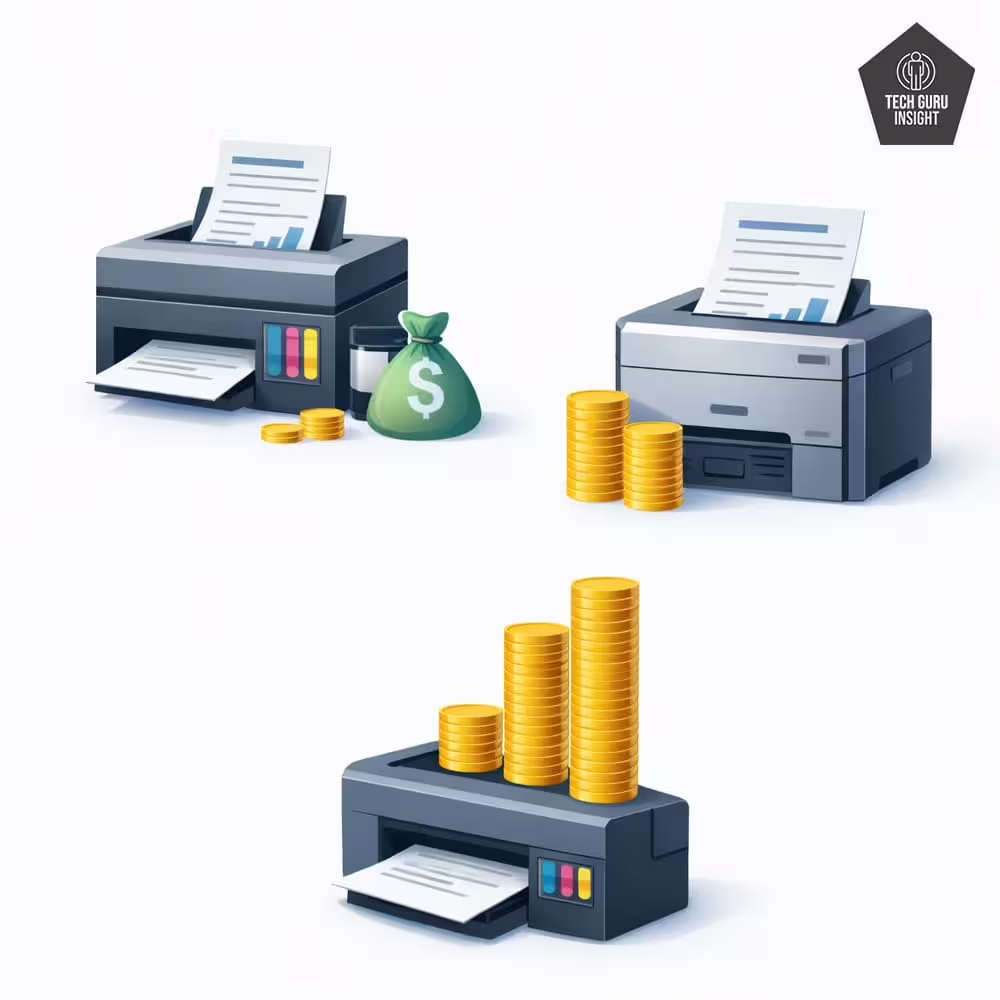
The upfront price of a printer is only part of the story. The real expense comes from what you spend on ink or toner over time. Many buyers focus on the purchase price and overlook long-term printing costs — a mistake that can lead to spending far more than expected.
| Printer Type | Black & White Cost/Page | Color Cost/Page | Long-Term Cost Efficiency | Verdict |
| Inkjet (Cartridge) | High | Very High | ❌ Poor | Avoid frequent printing |
| Ink Tank | Very Low | Low | ✅ Excellent | Best for most users |
| Laser | Low | Medium | ✅ Very Good | Ideal for bulk printing |
To understand the difference, let’s look at a simple example.
If you print around 500 pages per month:
- Inkjet: ₹3–5 per page
- Ink Tank: ₹0.10–0.20 per page
- Laser: ₹0.50–1 per page
Over a year, this gap becomes significant, making running costs one of the most important factors when choosing a printer.
Inkjet Cost Reality
Inkjet printers are affordable to buy, but their running costs are the highest among the three technologies. Cartridge ink tends to be expensive and runs out quickly, especially if you print regularly.
For light users, this may not be a major concern. However, if your printing needs grow, frequent cartridge replacements can quickly exceed the original price of the printer. This is why inkjets are best suited for occasional printing rather than high-volume use.
Bottom line: Low initial investment, but costly in the long run.
Ink Tank — The Long-Term Winner
Ink tank printers are designed to solve the biggest weakness of traditional inkjets: expensive cartridges. Instead, they use refillable tanks that hold large volumes of ink, allowing you to print thousands of pages at a fraction of the cost.
Although the printer itself typically costs more upfront, the savings on ink quickly offset the higher purchase price. For households, students, and small offices that print frequently, an ink tank printer often delivers the best overall value.
Bottom line: Higher upfront cost, but dramatically lower cost per page.
Laser — Efficient for Text Printing
Laser printers strike a strong balance between efficiency and performance, particularly for black-and-white documents. Toner cartridges last significantly longer than ink cartridges, reducing the frequency of replacements.
While color laser printing can be expensive, monochrome laser printers are highly economical for text-heavy workloads. Combined with fast print speeds and minimal maintenance, they are a reliable choice for offices and high-volume users.
Bottom line: Cost-effective for sharp text and bulk document printing, though not always the cheapest option for color.
👉 “Printer manufacturers follow standardized testing methods such as the ISO page yield standard to estimate cartridge output.”
Choose a Printer Based on Monthly Print Volume
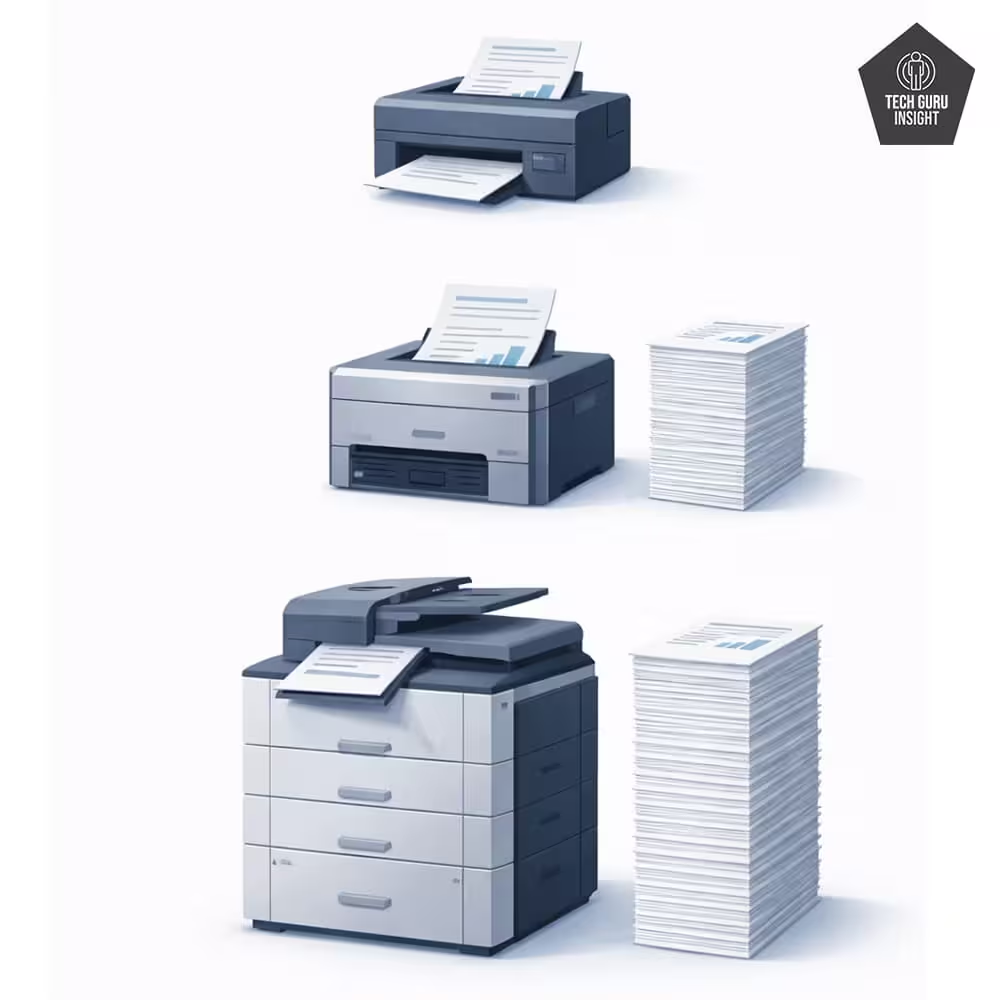
One of the smartest ways to avoid overspending on a printer is to choose one based on how much you actually print each month. Print volume directly affects running cost, maintenance frequency, and the overall lifespan of your printer. Buying a model that’s too small for your needs can lead to higher expenses and faster wear, while an oversized printer may mean paying for features you rarely use.
Use the framework below to identify the right printer category for your workload:
| Pages Per Month | Best Choice |
| Less than 100 | Inkjet |
| 100–400 | Ink Tank |
| 400–2000 | Ink Tank or Laser |
| 2000+ | Laser |
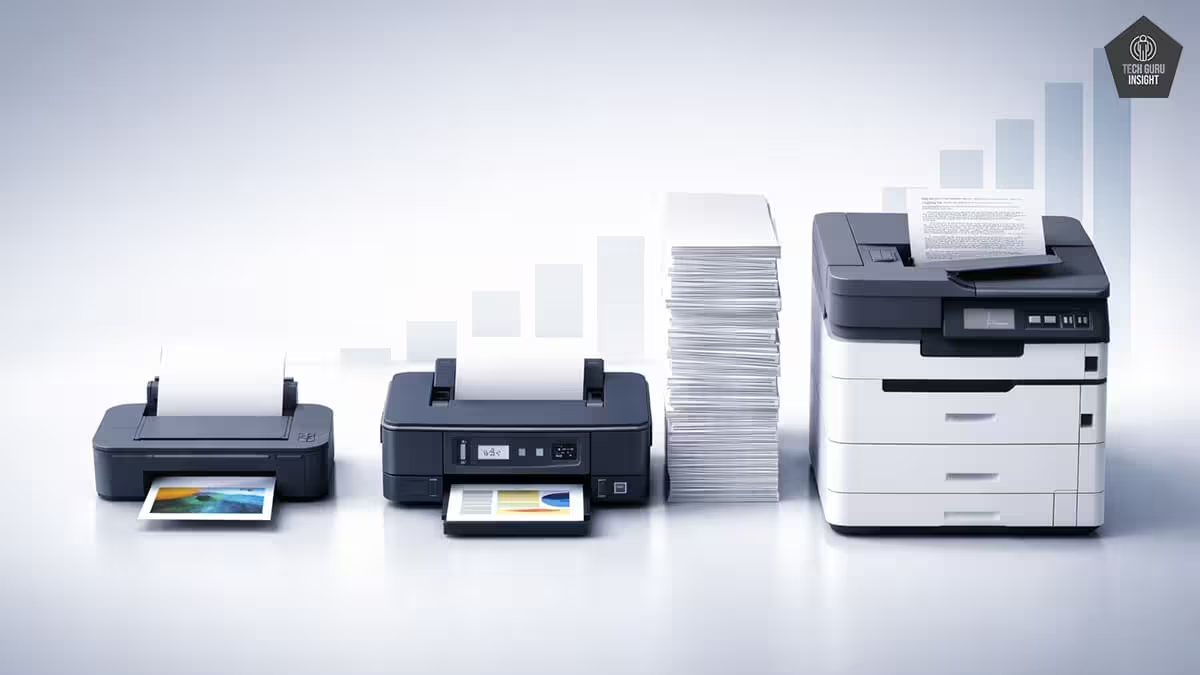
How to interpret this:
- Less than 100 pages: If you print occasionally — such as tickets, forms, or school assignments — an inkjet printer is usually sufficient and keeps your upfront cost low.
- 100–400 pages: At this level, cartridge costs can add up quickly. An ink tank printer becomes the smarter investment due to its significantly lower cost per page.
- 400–2000 pages: You’re now in high-volume territory. Ink tank printers offer excellent value for mixed color printing, while laser printers are ideal if your workload is mostly text.
- 2000+ pages: This is where laser printers truly shine. They are built for heavy workloads, faster speeds, and consistent performance.
Quick Tip
“Always estimate your future printing needs — not just your current ones. Many buyers underestimate their monthly volume and end up replacing their printer sooner than expected.”
Pros and Cons of Each Printer Type
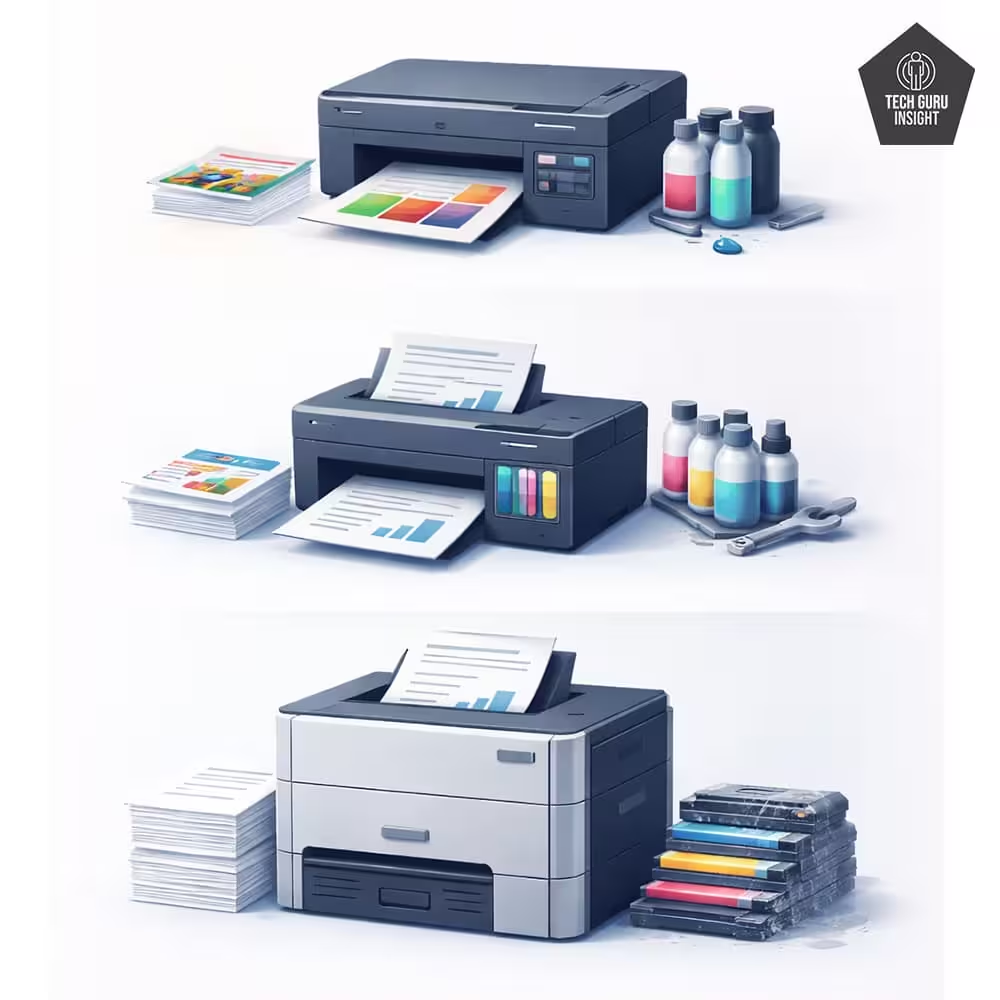
Every printer technology has strengths and weaknesses. Understanding these trade-offs is essential because the “best” printer isn’t the one with the most features — it’s the one that matches your printing habits. Here’s a brutally honest look at what you can expect from inkjet, ink tank, and laser printers.
Inkjet Printers — Pros & Cons
✅ Pros:
- Low upfront cost: Inkjet printers are often the cheapest to buy, making them attractive for budget-conscious buyers.
- Excellent color quality: Ideal for photos, graphics, and school projects where vibrant colors matter.
- Compact size: Most models fit easily into small home setups.
- Great for occasional use: Perfect if you print only a few pages each week.
❌ Cons:
- High cost per page: Cartridge replacements can become surprisingly fast.
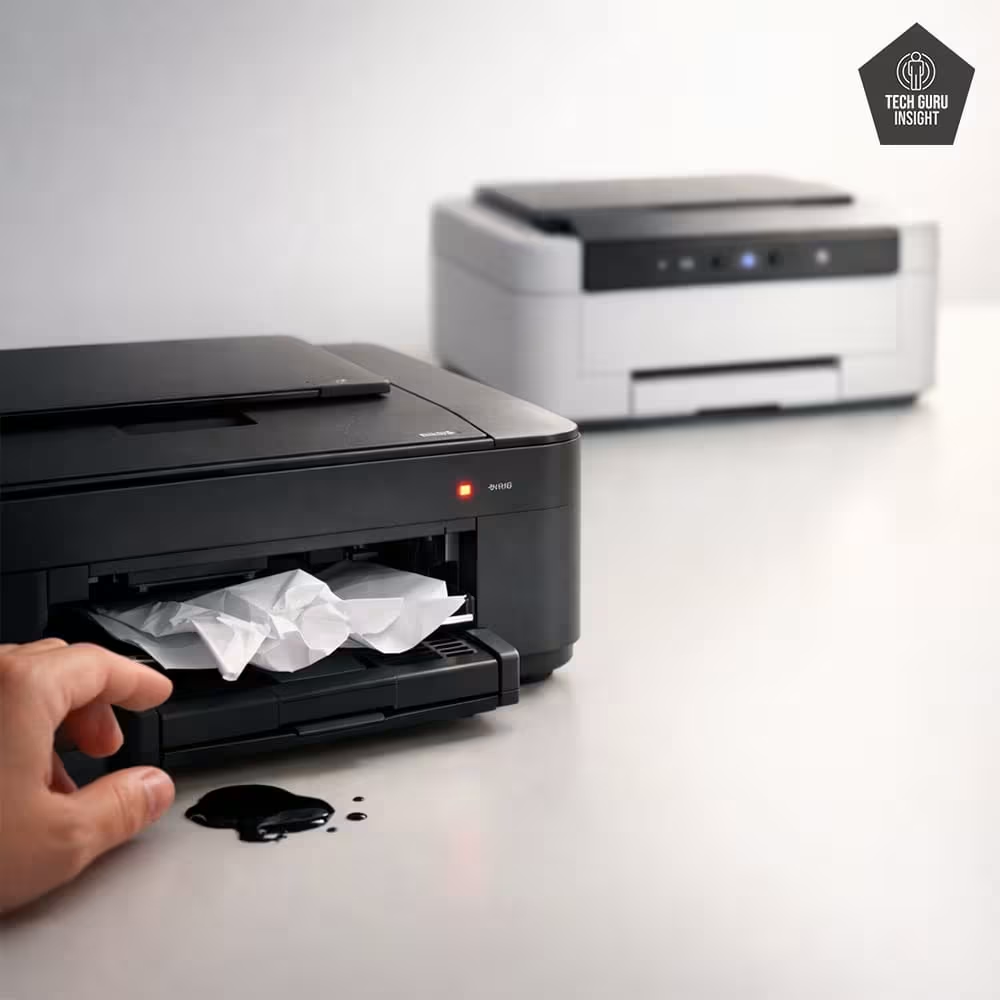
- Ink can dry out: If left unused for long periods, cartridges may clog, leading to wasted ink.
- Not built for heavy workloads: Frequent printing can strain the printer and increase maintenance needs.
👉 Honest verdict: Choose an inkjet only if your printing needs are minimal. Otherwise, the long-term costs may outweigh the initial savings.
Ink Tank Printers — Pros & Cons
✅ Pros:
- Extremely low running cost: One of the cheapest ways to print large volumes.
- High page yield: A single refill can produce thousands of pages.
- Strong color performance: Great for both documents and images.
- Better long-term value: Higher upfront cost is usually recovered through ink savings.
❌ Cons:
- Higher purchase price: Can feel expensive compared to basic inkjets.
- Slower than laser printers: Not ideal if speed is your top priority.
- Refilling requires care: Spills are rare with modern designs, but still possible if handled carelessly.
👉 Honest verdict: For most homes and small offices, ink tank printers hit the sweet spot between affordability and performance.
Laser Printers — Pros & Cons
✅ Pros:
- Fast printing speeds: Ideal for busy environments and large documents.
- Sharp, professional text: Perfect for reports, invoices, and business use.
- Low maintenance: Toner doesn’t dry out, making these printers reliable even if used intermittently.
- Long lifespan: Typically built to handle higher monthly volumes.
❌ Cons:
- Higher upfront cost: Especially for color laser models.
- Photo quality is poorer: Not the best choice for detailed images.
- Larger footprint: Many laser printers require more space than ink-based models.
👉 Honest verdict: If your printing is mostly text and volume is high, a laser printer is one of the most reliable investments you can make.
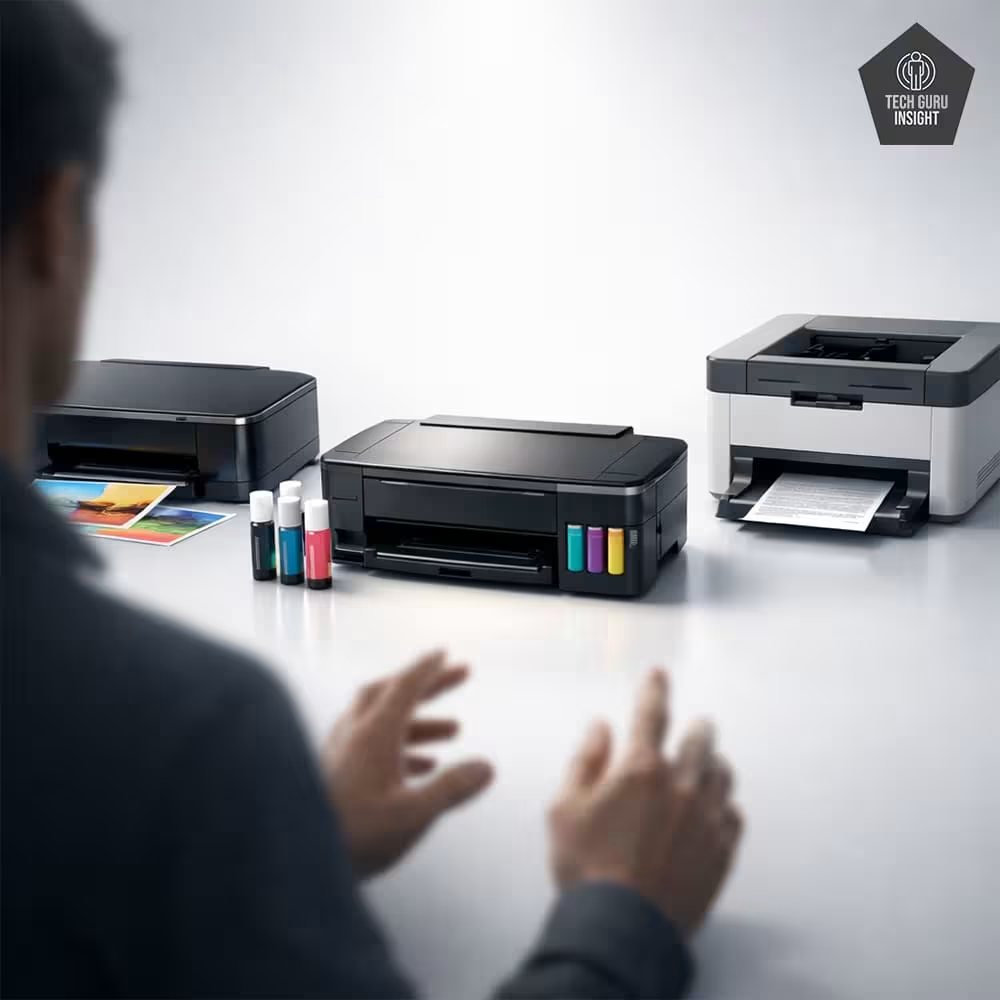
Which Printer Should YOU Buy?
The best printer isn’t the one with the most advanced features — it’s the one that fits your daily needs. Your printing habits, volume, and priorities should guide your decision. Use these practical recommendations to quickly identify the right printer for your situation.
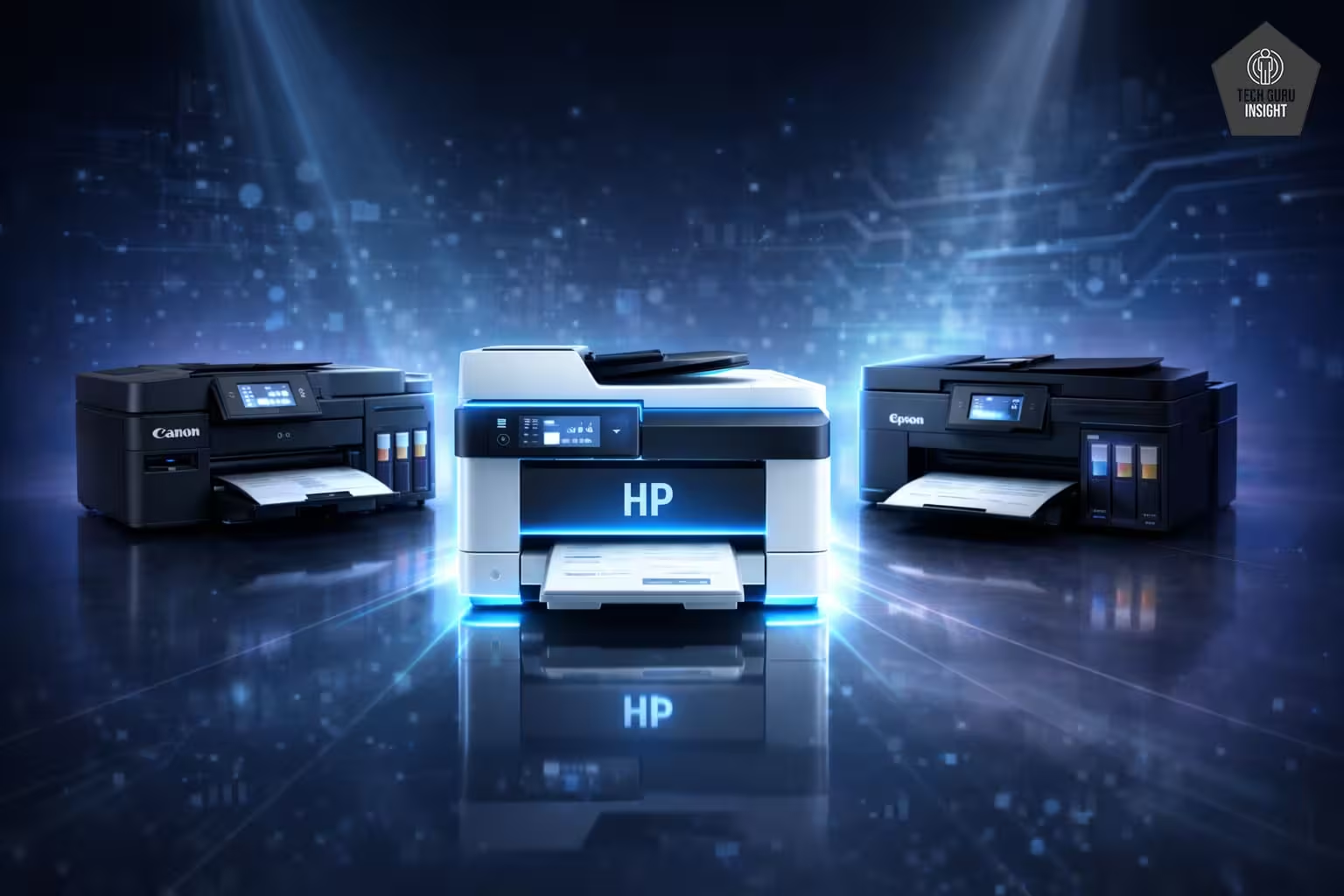
Best Printer for Home Use
For most households, an ink tank printer is the smartest choice. It offers the perfect balance between upfront cost and long-term savings, especially when multiple family members rely on the printer for documents, homework, travel tickets, and occasional photos.
Unlike cartridge-based models, ink tank printers keep the cost per page extremely low, so you won’t have to worry about frequent replacements. They also handle both black-and-white and color printing efficiently, making them ideal for everyday use.
Best choice for most homes: ✅ Ink Tank Printer
Best Printer for Students
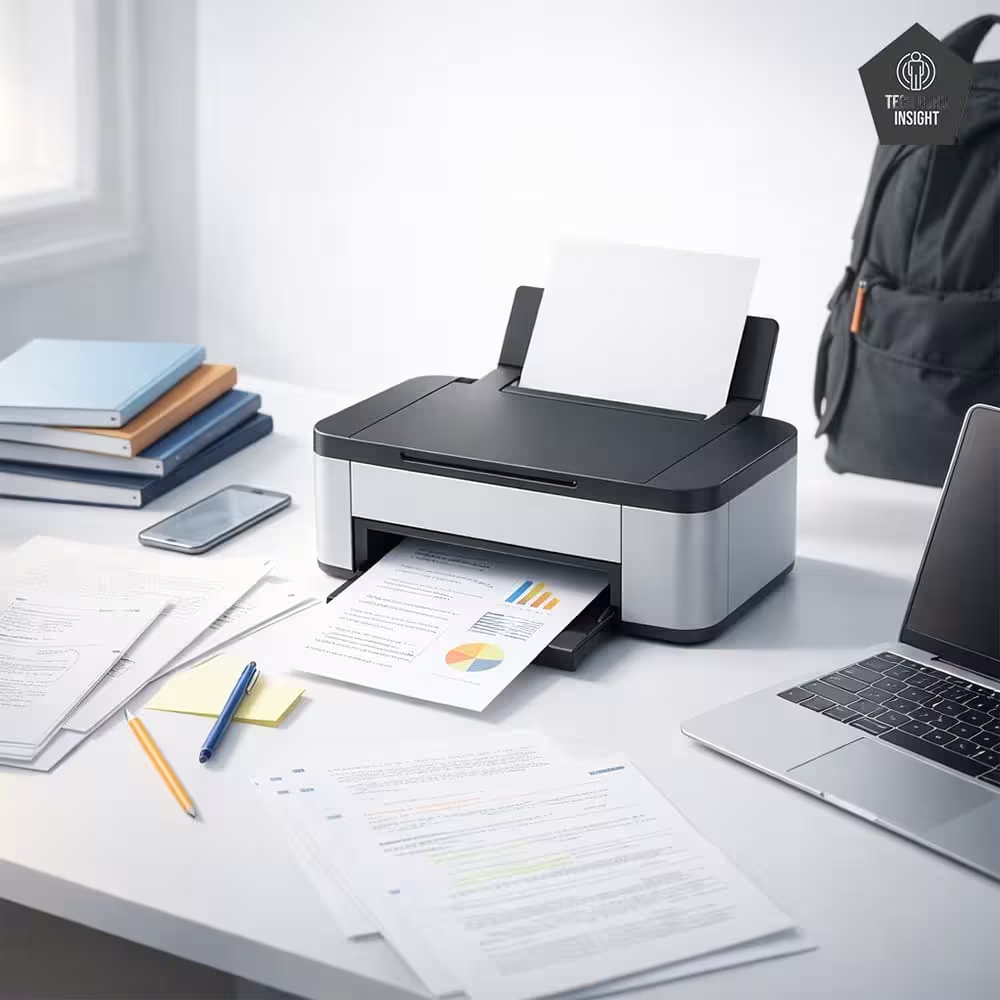
Students typically print assignments, notes, and project materials regularly, but not at extremely high volumes. An ink tank printer again stands out here because it prevents the recurring expense of cartridges — something students and parents quickly grow tired of.
However, if printing needs are minimal (for example, fewer than 50 pages per month), a basic inkjet can still be a reasonable budget option.
Smart long-term pick: ✅ Ink Tank
Budget alternative: Inkjet for very light use
Best Printer for Small Business
Small businesses need reliability, efficiency, and consistent output. If your work involves mostly text documents such as invoices, contracts, and reports, a laser printer is often the better investment due to its speed and professional-quality text.
For businesses that frequently print in color — such as marketing materials or presentations — a high-capacity ink tank printer can provide better value.
For text-heavy workflows: ✅ Laser Printer
For mixed color printing: Ink Tank Printer
Best Printer for Photos
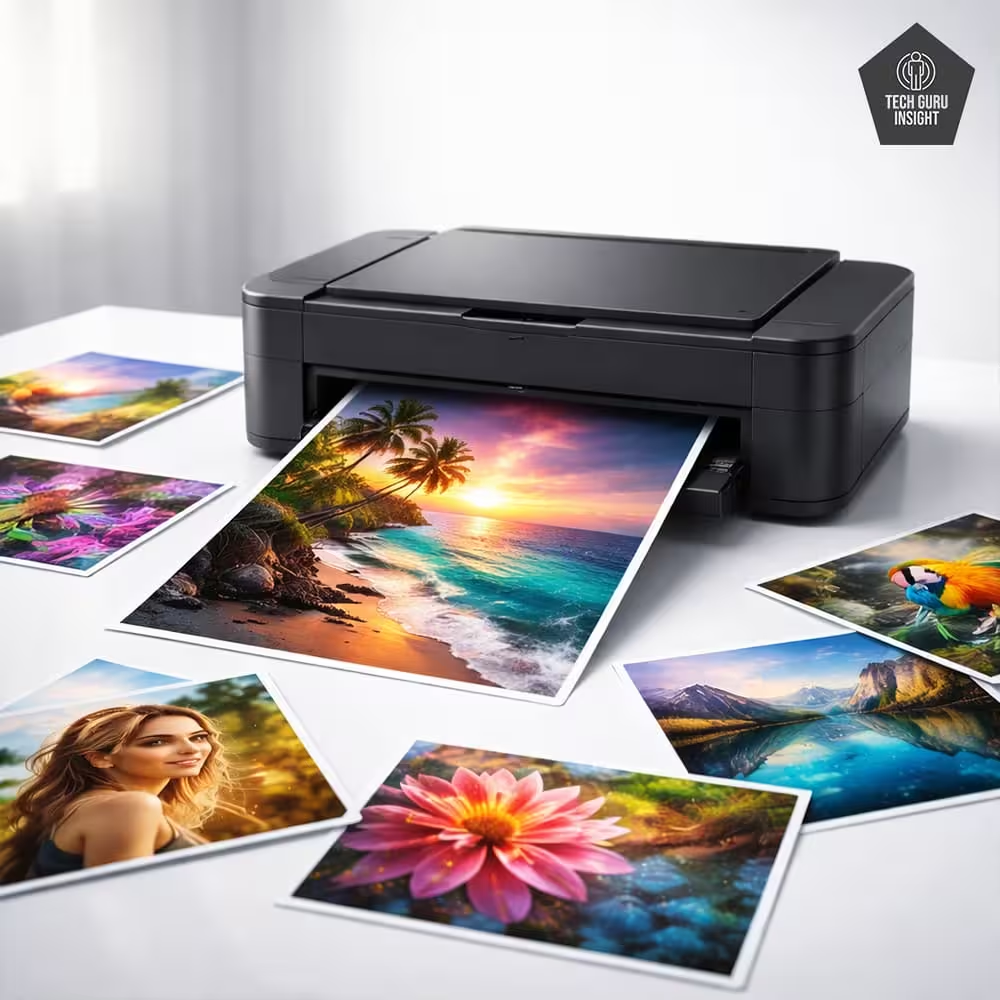
If photo quality is your top priority, inkjet printers still lead the way. Their ability to reproduce rich colors, smooth gradients, and fine details makes them a favorite among photography enthusiasts and creative users.
That said, many modern ink tank printers now deliver excellent photo quality while keeping printing costs far lower — making them a strong alternative if you print photos regularly.
Best for highest photo detail: ✅ Inkjet
Best for affordable photo printing: Ink Tank
Best Printer for Bulk Printing
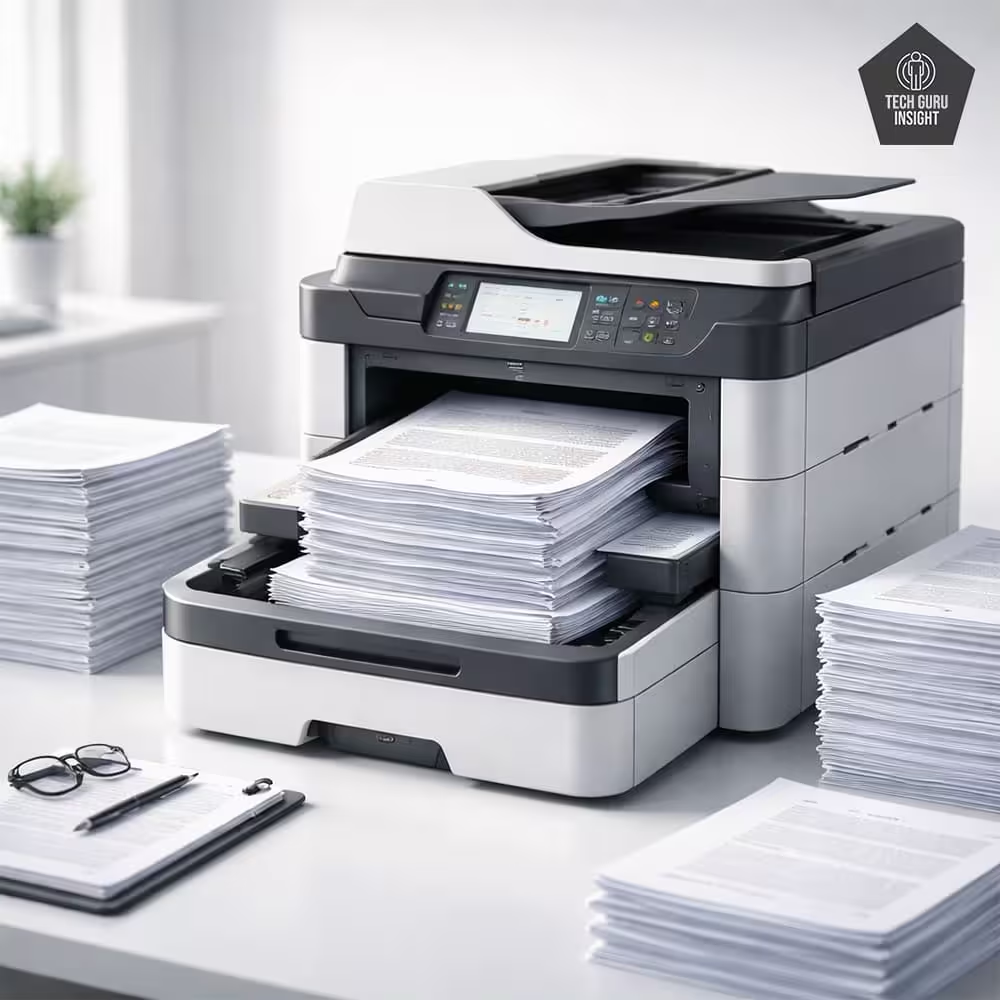
When speed and endurance matter most, laser printers are hard to beat. They are designed to handle heavy workloads with minimal maintenance and can produce large batches of documents quickly without sacrificing clarity.
For offices or environments that print thousands of pages monthly, a laser printer is typically the most dependable and efficient option.
Top choice for high-volume workloads: ✅ Laser Printer
Quick Takeaway:
- Everyday home printing → Ink Tank
- Student use → Ink Tank (Inkjet for very light printing)
- Business documents → Laser
- High-quality photos → Inkjet
- Large print volumes → Laser
Quick Tip
“Choosing based on your actual use case ensures you get the best value — and avoids the costly mistake of buying a printer that can’t keep up with your needs.”
Who Should NOT Buy This
❌ Who Should NOT Buy an Inkjet Printer?
- You print frequently (200+ pages per month).
- You want the lowest long-term printing cost.
- You run a small business or print for professional use.
- You hate ongoing maintenance.
- You print mostly black text documents.
- You want a “set it and forget it” printer.
❌ Who Should NOT Buy an Ink Tank Printer?
- You print fewer than 30–50 pages per month.
- You’re on a very tight initial budget.
- You need ultra-fast printing speeds.
- You print once in several months.
❌ Who Should NOT Buy a Laser Printer?
- You need high-quality color prints or photos.
- You print only occasionally.
- You are on a tight initial budget.
- You want the lowest cost for color printing.
- You have limited space at home.
- You primarily print school projects or photos.
7 Costly Printer Buying Mistakes to Avoid
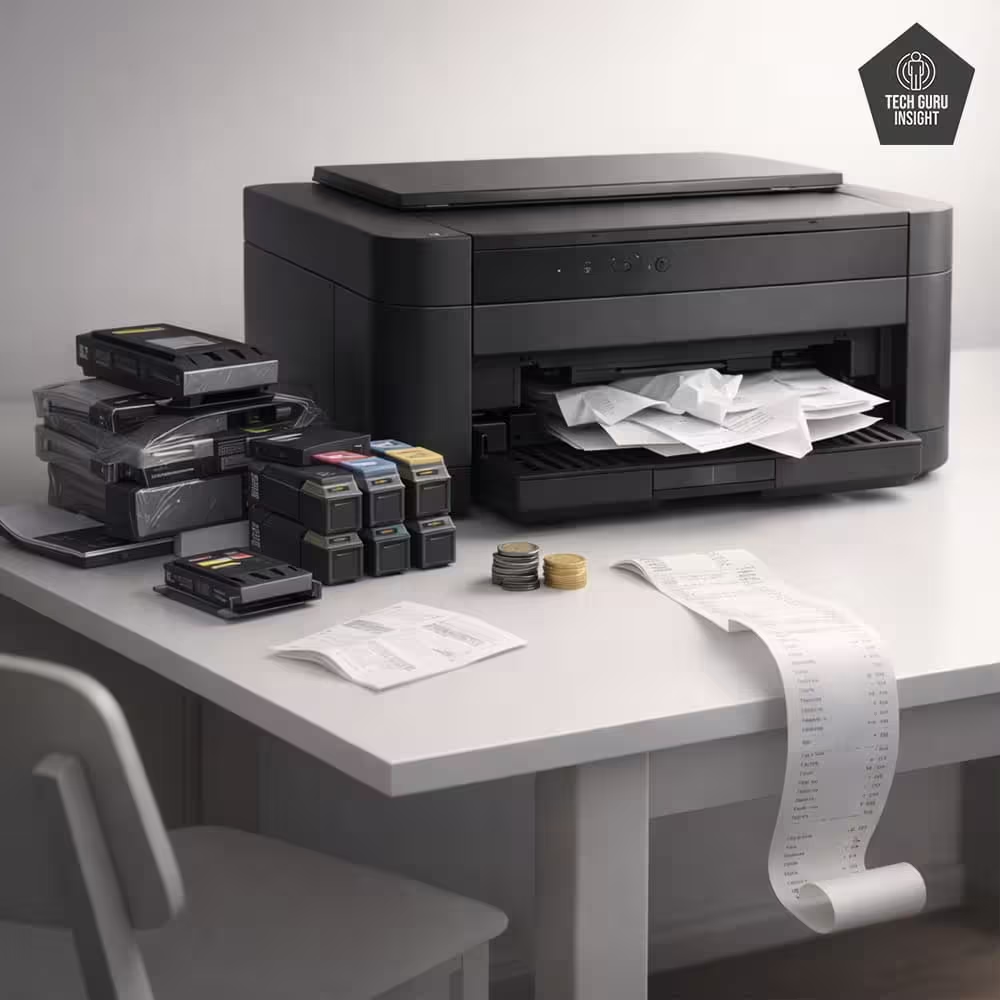
Buying a printer may seem straightforward, but many people end up with the wrong device because they focus on the wrong factors. A poor choice can lead to high running costs, frequent breakdowns, and the frustration of replacing your printer sooner than expected. Avoid these common mistakes to make a smarter, future-proof investment.
1. Choosing Based Only on Price
The biggest mistake buyers make is picking the cheapest printer available. While a low upfront cost may feel like a win, it often leads to expensive ink or toner replacements later. Always evaluate the total cost of ownership, not just the purchase price.
2. Ignoring Running Costs
Some printers are affordable to buy but expensive to operate. Before making a decision, check the cost per page and the expected yield of cartridges or toner. A slightly more expensive printer can save you thousands over its lifetime.
3. Underestimating Your Print Volume
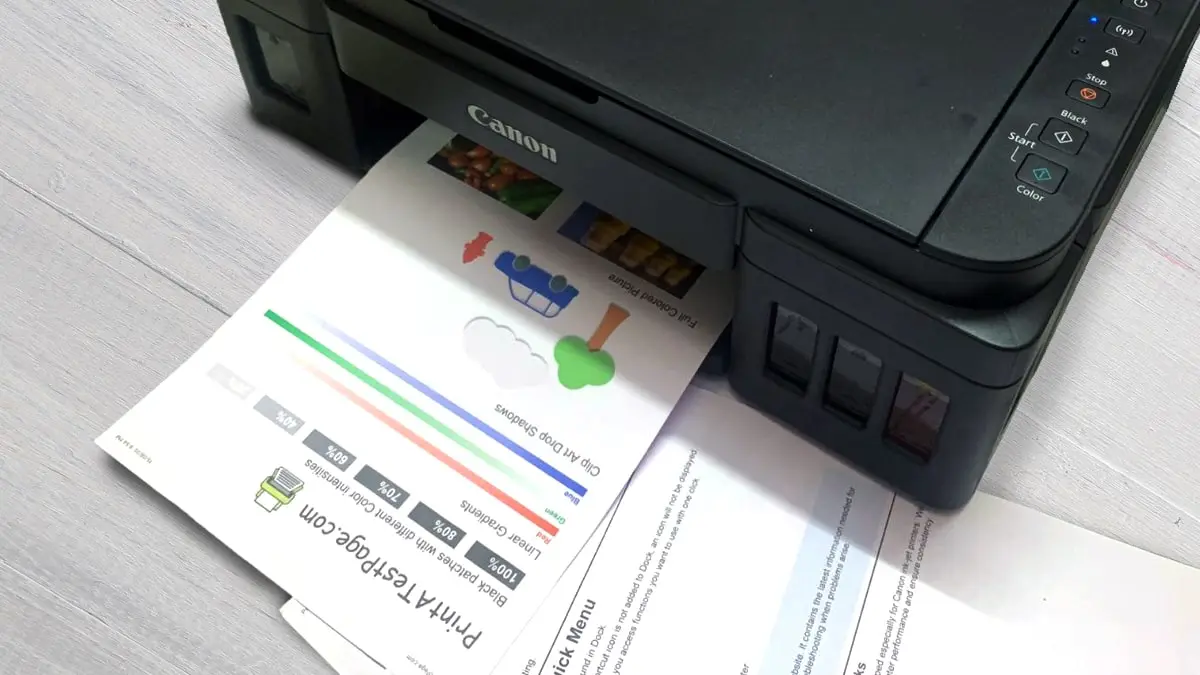
Many buyers assume their printing needs will stay low — until they don’t. Whether it’s schoolwork, office documents, or business materials, print volume tends to grow over time. Choosing a printer that can’t keep up often results in higher costs and faster wear.
If you suspect your current printer is struggling, watch for the signs that you bought an undersized printer to determine whether it’s time for an upgrade.
4. Overlooking the Duty Cycle
A printer’s duty cycle tells you how much it can safely handle each month. Ignoring this number can shorten the lifespan of your device and increase maintenance issues. Always choose a printer with a recommended monthly capacity slightly higher than your expected workload.
5. Buying the Wrong Technology for Your Needs
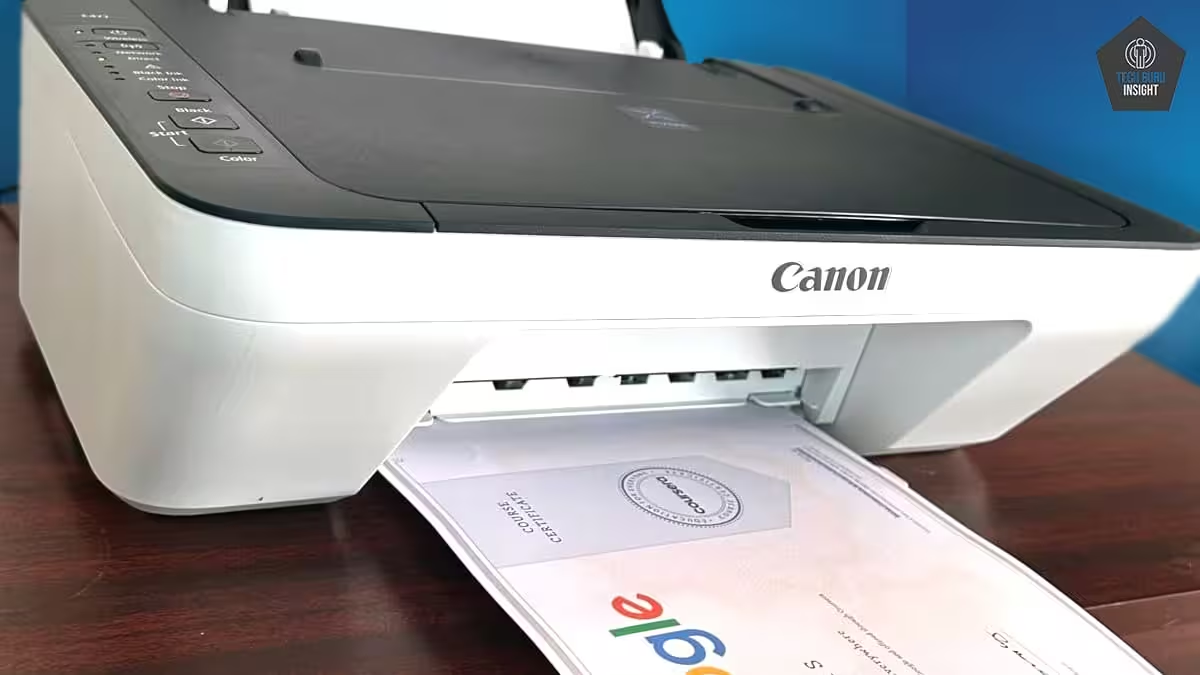
Not every printer is built for every task. For example, purchasing an inkjet for heavy office printing can quickly become costly, while investing in a laser printer for occasional home use may be unnecessary. Match the technology to your usage, not the other way around.
6. Forgetting About Space and Connectivity
Some printers — especially laser models — require more room than buyers anticipate. Others may lack essential features like Wi-Fi, mobile printing, or automatic duplex printing. Always review the specifications to ensure the printer fits both your workspace and workflow.
7. Thinking Only About Today’s Needs
A printer is a long-term purchase, often lasting several years. Choosing a model that barely meets your current requirements can force you into another upgrade sooner than planned. It’s usually smarter to buy a printer with slightly higher capacity so it can grow with your needs.
Quick Advice:
“Focus on long-term value, realistic print volume, and the right technology. Avoiding these mistakes not only saves money but also ensures you get a printer that performs reliably for years.”
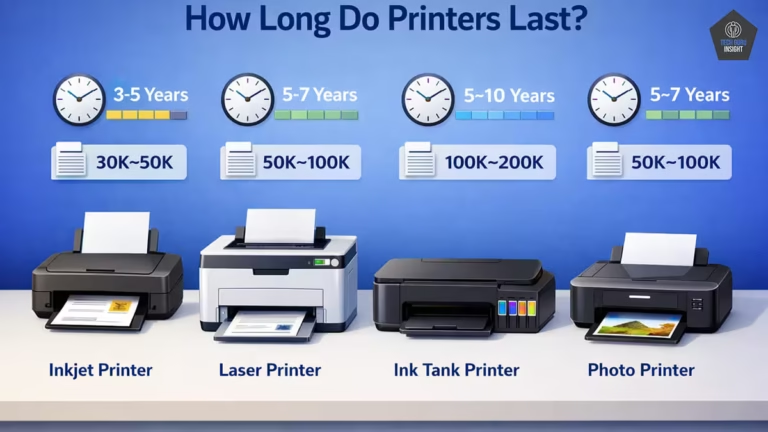
Which Printer Type Will Last Longer?
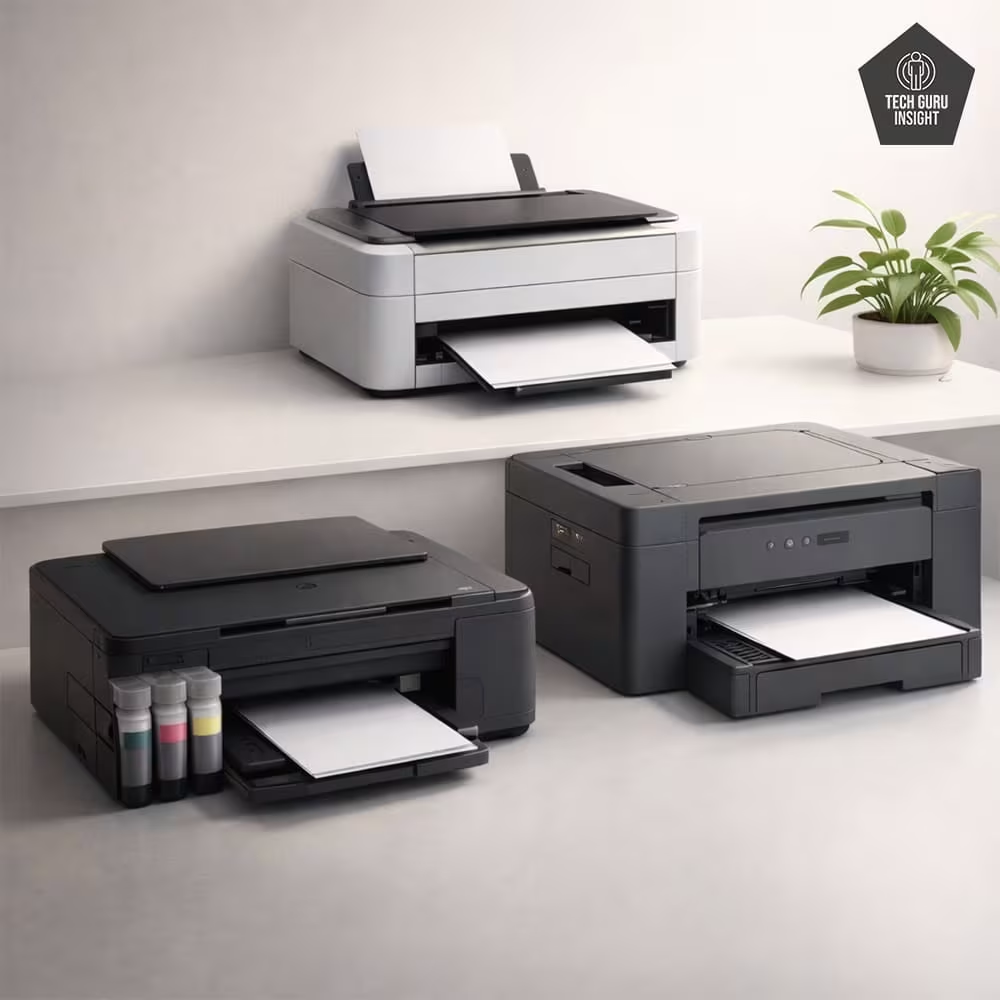
A printer is not just a short-term purchase — it’s a device you’ll likely rely on for several years. Choosing a model with strong durability, reliable supplies, and long-lasting consumables can save you from frequent replacements and unnecessary expenses. Here’s how inkjet, ink tank, and laser printers compare when it comes to longevity.
Durability and Build Quality
Laser printers are widely known for their robust construction. They are designed to handle higher monthly workloads with less wear, making them a dependable choice for offices and heavy users. Many laser models continue performing efficiently for years when used within their recommended duty cycle.
Ink tank printers also offer impressive longevity, especially compared to traditional inkjets. Because they are built for higher print volumes, their components are typically more durable than those of entry-level cartridge printers.
Inkjet printers, while reliable for light use, are generally not intended for sustained high-volume printing. Overworking them can lead to faster component fatigue and increased maintenance.
Longevity winner for heavy use: Laser
Best balance for homes and small offices: Ink Tank
Refill Ecosystem and Ongoing Support
Another often-overlooked factor is how easy — and affordable — it is to keep your printer supplied over time. Ink tank printers excel here thanks to widely available refill bottles that can print thousands of pages at a low cost. This ecosystem makes them highly sustainable for long-term use.
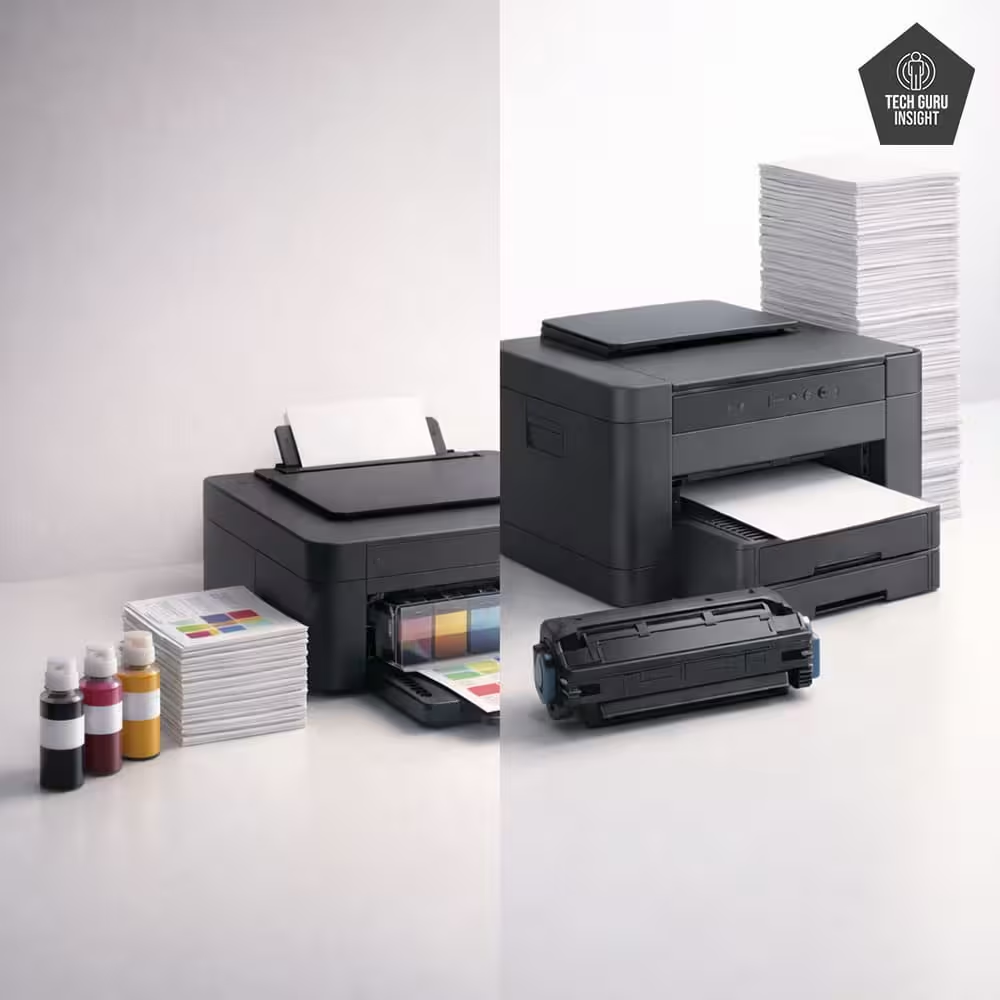
Laser printers also benefit from a strong toner supply chain, and toner cartridges typically last much longer than ink cartridges. However, replacement toner can be more expensive upfront.
Traditional inkjet printers rely on cartridges that need frequent replacement, which can become inconvenient and costly over the years.
Most convenient refill system: Ink Tank
Least frequent replacements: Laser
Toner vs. Ink Longevity
Toner has a major advantage over liquid ink — it doesn’t dry out. Even if a laser printer sits unused for weeks, the toner remains ready to print. This makes laser printers especially reliable for environments with inconsistent printing schedules.
Liquid ink, on the other hand, can dry and clog printheads if a printer isn’t used regularly. Modern ink tank systems are better at preventing this than older cartridge models, but occasional printing is still recommended to keep the ink flowing properly.
Best for intermittent use: Laser
Best for regular printing: Ink Tank
Final Insight:
- Want maximum lifespan and heavy-duty reliability? Choose a laser printer.
- Want long-term value with low running costs? An ink tank printer is a strong investment.
- Print only occasionally? An inkjet can last for years — as long as it isn’t pushed beyond its limits.
Thinking long term ensures you invest in a printer that remains efficient, economical, and dependable well into the future.
Our Expert Verdict — Inkjet vs Ink Tank vs Laser
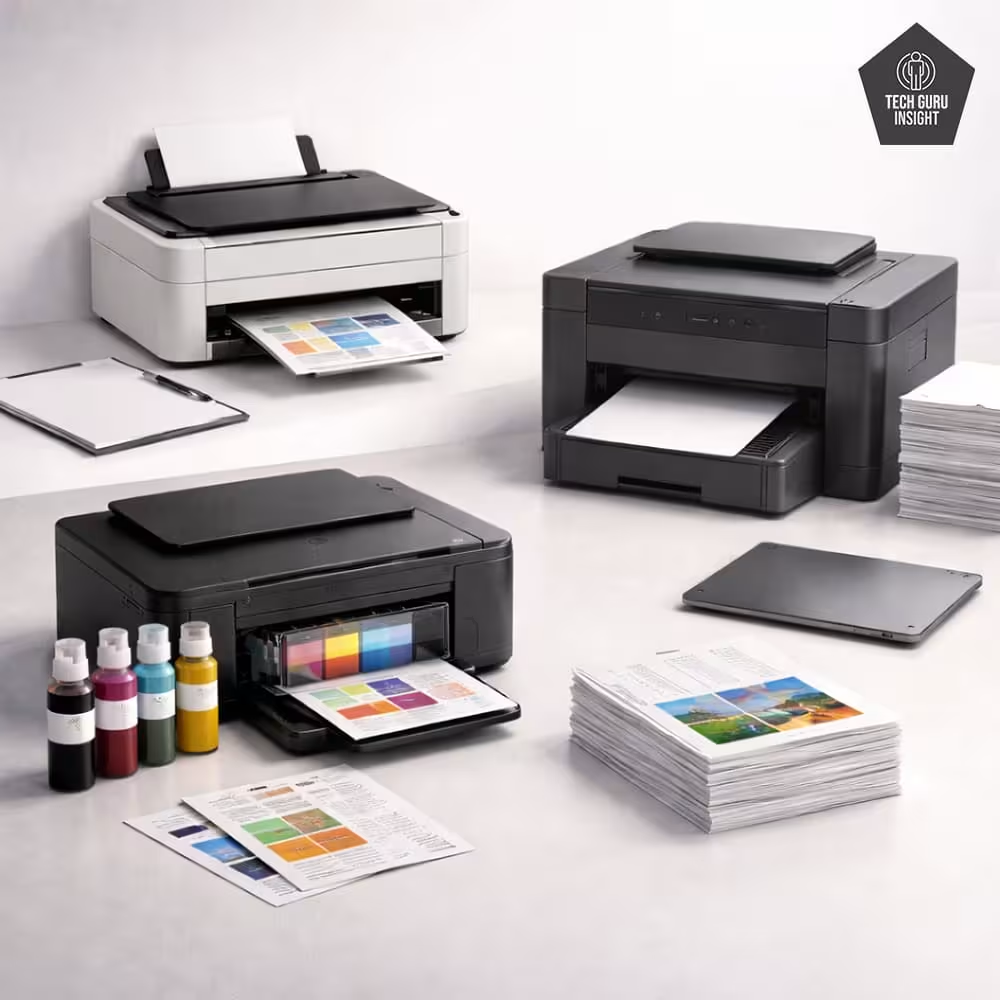
After comparing upfront cost, running expenses, print quality, speed, and long-term reliability, one conclusion stands out: for most users in 2026, ink tank printers offer the best overall value. They strike an ideal balance between affordability and performance, delivering extremely low cost per page without compromising on color quality or everyday usability.
Quick Tip
“Print quality is largely determined by DPI (dots per inch), which measures how many dots a printer places within one inch.”
For nearly 80% of households, an ink tank printer is the smartest investment. It handles schoolwork, office documents, photos, and daily printing with ease — all while keeping long-term expenses predictable.
That said, the “best” printer still depends on your specific needs:
- Choose an inkjet printer if you print rarely and want the lowest upfront cost. It’s a practical option for occasional documents and light color use.
- Choose an ink tank printer if you print regularly and want to minimize ongoing expenses. It’s the clear winner for homes, students, and small offices.
Choose a laser printer if your priority is speed, sharp text, and high-volume printing. For business environments, it remains one of the most reliable choices available.
Expert Takeaway:
“If you’re unsure which direction to go, it’s safer to invest in a printer that can handle slightly more than your current needs. Outgrowing a printer is far more frustrating — and expensive — than having extra capacity. When you focus on long-term value instead of just the purchase price, you’ll end up with a printer that serves you efficiently for years rather than one you need to replace too soon.”
FAQ
Q1: Is an ink tank printer better than a laser printer?
It depends on your printing needs. Ink tank printers are typically better for color printing and offer a much lower cost per page, making them ideal for homes and small offices. Laser printers, however, are superior for fast, high-volume text printing and require less frequent intervention. Neither is universally “better” — the right choice depends on how and what you print.
Q2: Which printer is the cheapest in the long term?
Ink tank printers are usually the most economical over time. Although they cost more upfront than basic inkjets, their refill bottles are significantly cheaper than cartridges, resulting in a far lower running cost. For users who print regularly, the savings can quickly outweigh the initial investment.
Q3: Do laser printers use ink?
No, laser printers do not use liquid ink. Instead, they use toner, a fine powdered substance that is fused onto paper using heat. This process produces sharp, smudge-resistant text and allows toner cartridges to last much longer than traditional ink cartridges.
Q4: Are inkjet printers becoming obsolete?
Inkjet printers are not obsolete — they continue to be a strong choice for light users and photo printing. However, many buyers are shifting toward ink tank printers because of their lower long-term costs. Inkjet technology still has a place, especially for people who print occasionally and want high-quality color output at a low upfront price.
Q5: Which printer requires the least maintenance?
Laser printers generally require the least maintenance. Toner does not dry out, printheads don’t clog, and replacement cycles are less frequent. Ink tank printers also offer relatively low maintenance when used regularly, while traditional inkjets may need more attention if left unused for long periods.