How to Choose the Right Printer Based on Monthly Print Volume (Avoid This Costly Mistake)
“Most people choose a printer based on price or brand — and regret it within months. The real factor that determines whether a printer will last or frustrate you is your monthly print volume.”
👉 Last Updated: January 2026 — Tested against the latest printer models and running cost data.
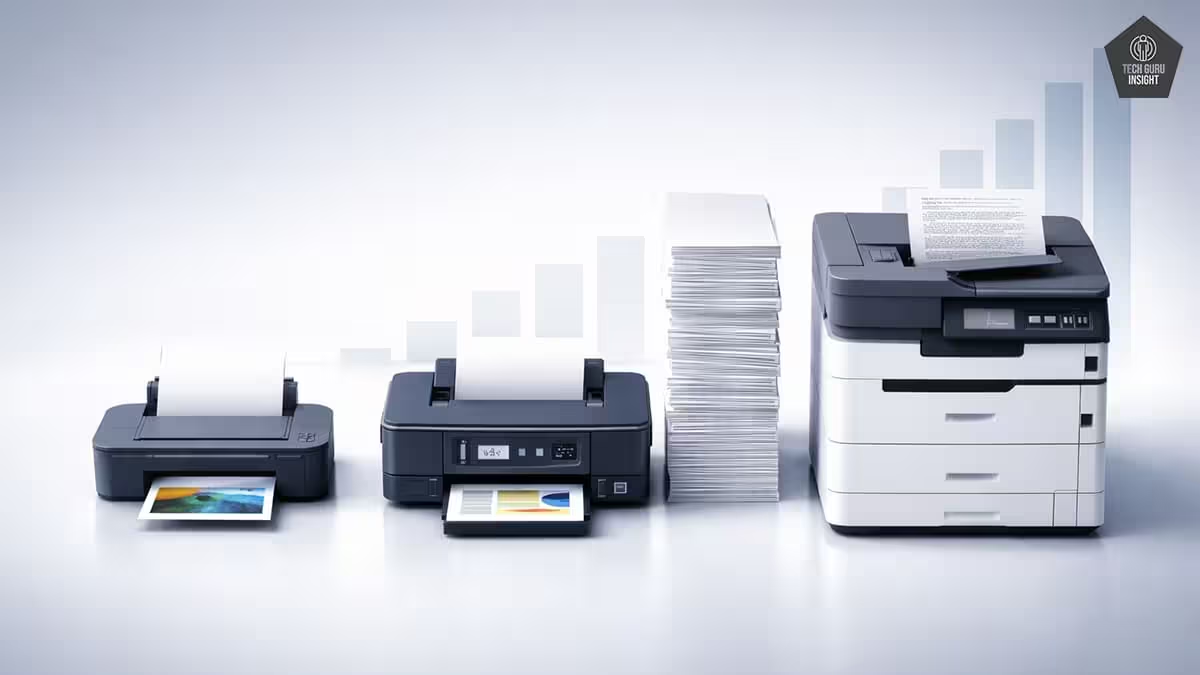
👉 “In this guide, you’ll learn exactly which printer type matches your workload — so you never overspend or overwork your machine.”
Who This Guide Is For
✔ Home users
✔ Students
✔ Sellers
✔ Coaching institutes
✔ Growing businesses
Expert Insight
“The right printer is not the fastest or cheapest — it is the one correctly sized for your monthly volume.”
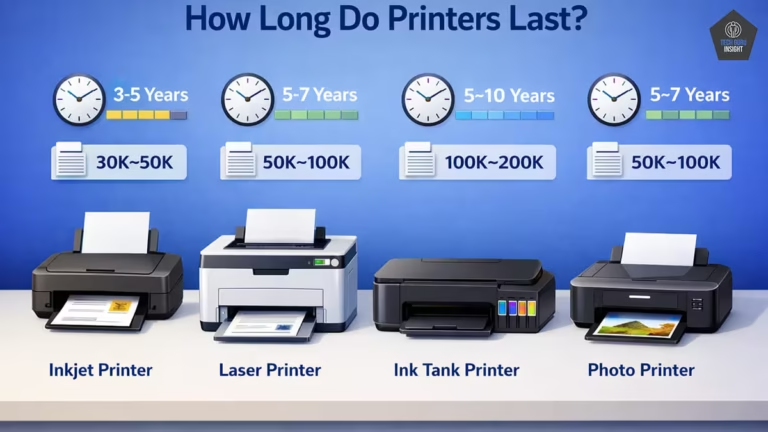
A printer designed for occasional home use will struggle in a busy environment, leading to slow print speeds, rising costs, frequent cartridge changes, and premature wear. On the other hand, investing in a machine built for your actual workload ensures smoother operation, lower cost per page, and a longer lifespan.
Whether you’re a student printing assignments, a home user handling occasional documents, an online seller generating invoices, or a growing office managing high-volume output, matching your printer to your monthly usage is essential.
What Does Monthly Print Volume Mean?
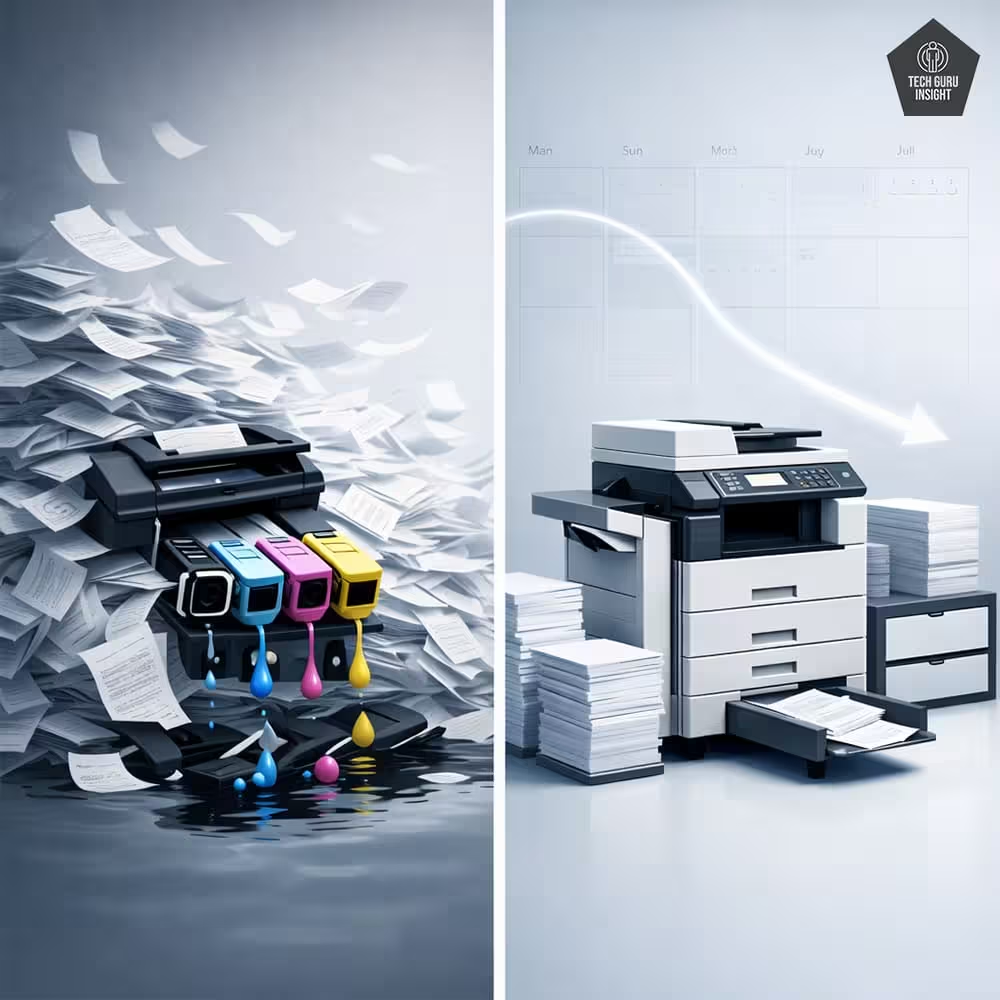
Monthly print volume refers to the number of pages a printer can handle efficiently each month without excessive wear or performance issues. Choosing a printer that matches your workload improves reliability, lowers printing costs, and extends device lifespan, making it one of the most important factors in any printer buying decision.
Why Monthly Print Volume Matters More Than Printer Price?
Many buyers focus on upfront cost — but long-term ownership tells a different story.
The cost per page matters far more than the purchase price.
Using a light-duty printer for heavy workloads often leads to:
- Higher ink or toner expenses
- Increased maintenance
- Reduced speed
- Shorter device lifespan
An undersized printer rarely fails suddenly — it declines gradually through slower speeds and rising costs.

Power Insight
“Buying a printer rated for 300 pages and printing 1,500 is like driving a city car for commercial cargo — it may work briefly, but breakdown is inevitable.”
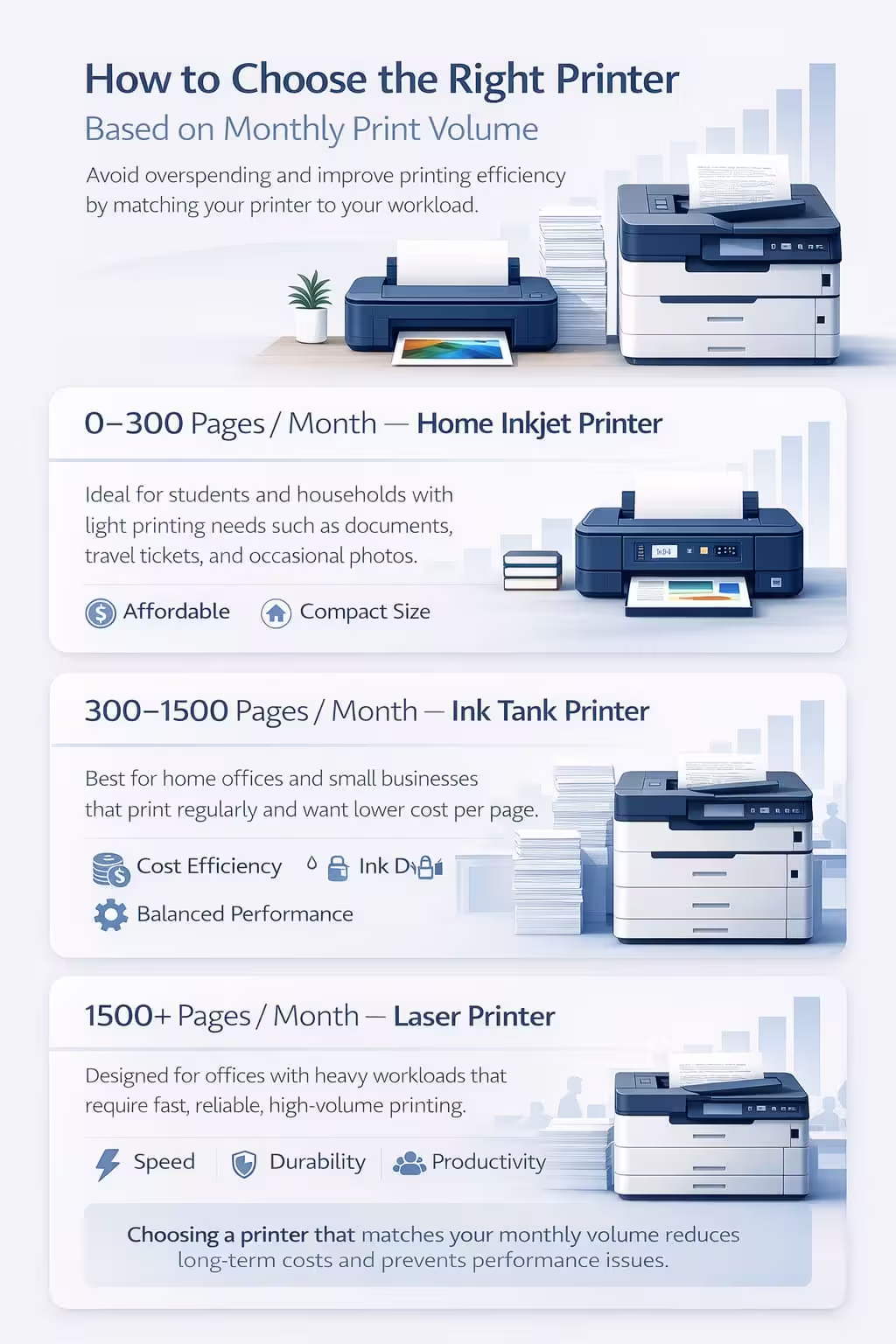
Printer Volume Categories Explained
| Monthly Pages | User Type | Ideal Printer | Why |
| 0–300 | Home users | Basic inkjet | Low cost, occasional use |
| 100–500 | Students | Ink tank | Cheapest cost per page |
| 500–2,000 | Sellers / small offices | Laser or ink tank | Faster + economical |
| 2,000–8,000 | Coaching centers | High-duty laser | Built for bulk jobs |
| 5,000–20,000 | Businesses | Enterprise laser | Reliability + networking |
Pro Tip
“High-volume environments demand printers designed for endurance, not convenience.”
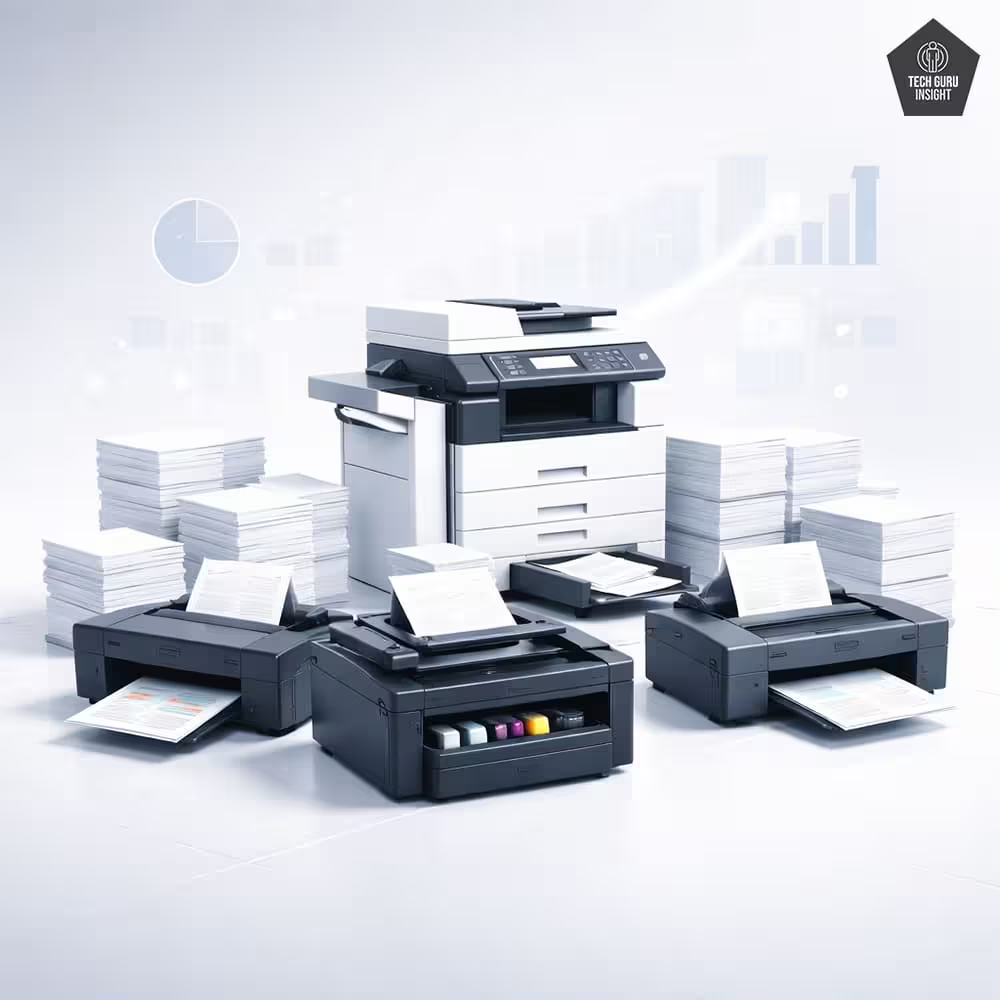
Best Printers Based on Monthly Print Volume
✅ 0–300 Pages — Light Home Printing
Home printing is typically defined by unpredictability rather than volume. Some weeks may pass without printing, while occasional tasks — such as travel documents, school worksheets, financial forms, or family photos — create short bursts of activity.
For these light workloads, a basic inkjet printer is usually the most practical choice. It offers excellent color output, a lower purchase price, a compact design, and enough versatility to handle both documents and images without unnecessary complexity.
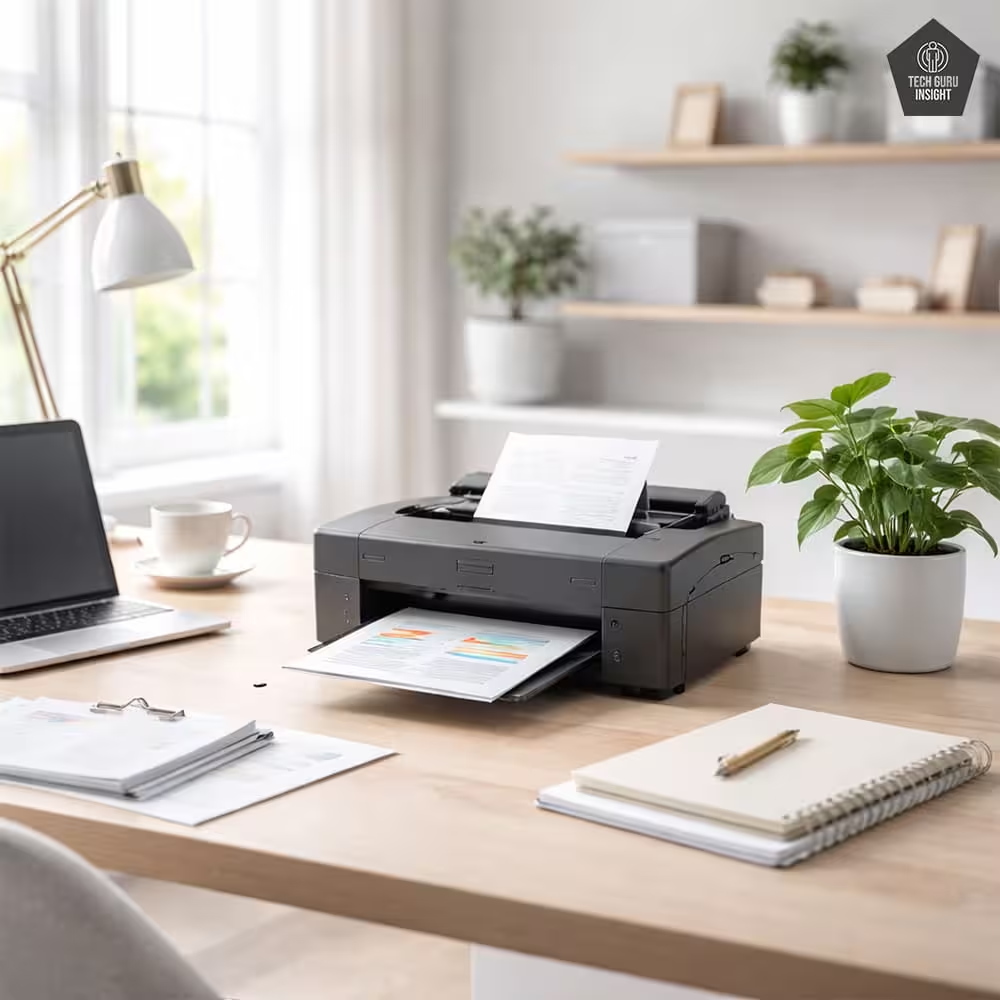
Laser printers, while powerful, are often excessive for this level of usage. Their higher upfront cost and performance capabilities are better suited to environments with consistent printing demands.
Buying a high-capacity printer for occasional home use often means paying for speed and durability you may never fully utilize.
Instead, choosing a device aligned with your actual needs ensures better value, simpler operation, and reliable performance over time.
Why these work well:
- Extremely low running cost
- Excellent color quality
- Ideal for sporadic usage
Our Picks
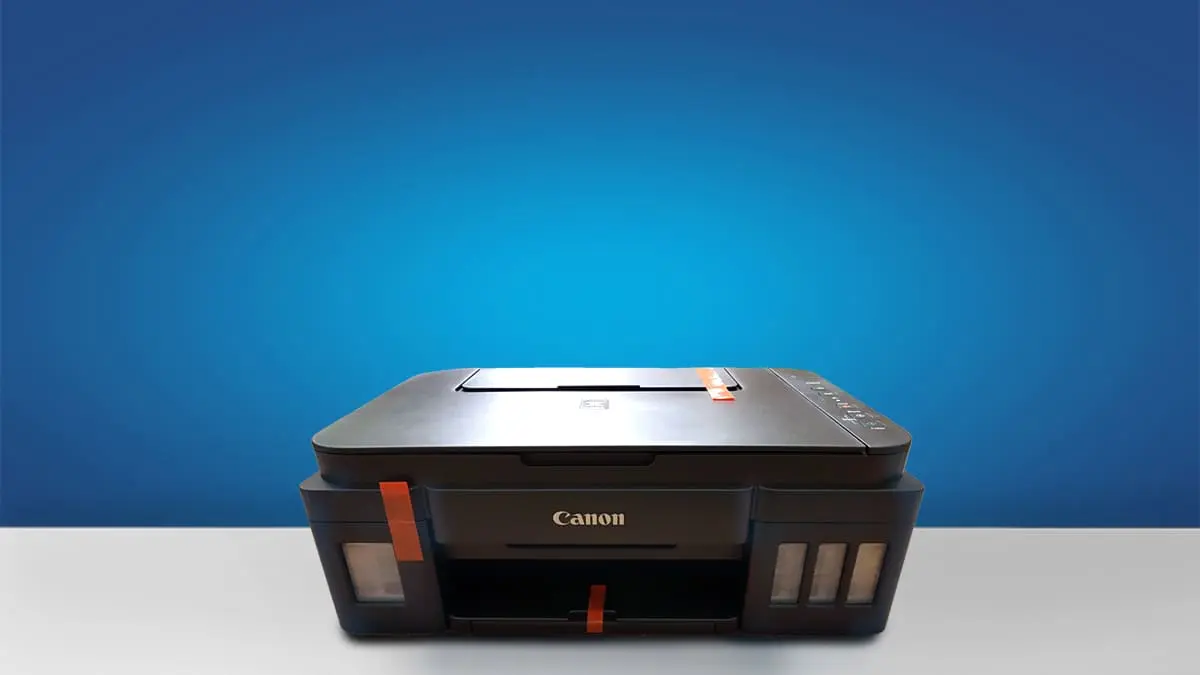
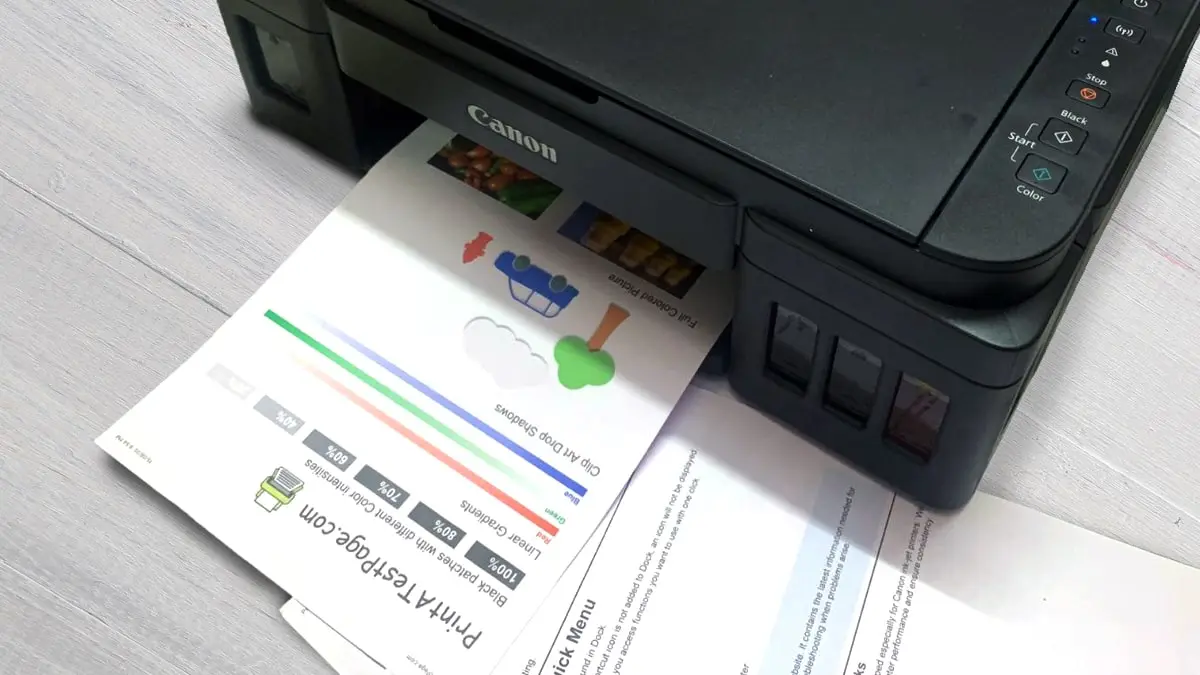
Type: All-In-One Technology: Inkjet Super Tank: Yes Color: Yes Wireless: Yes Bluetooth: Yes
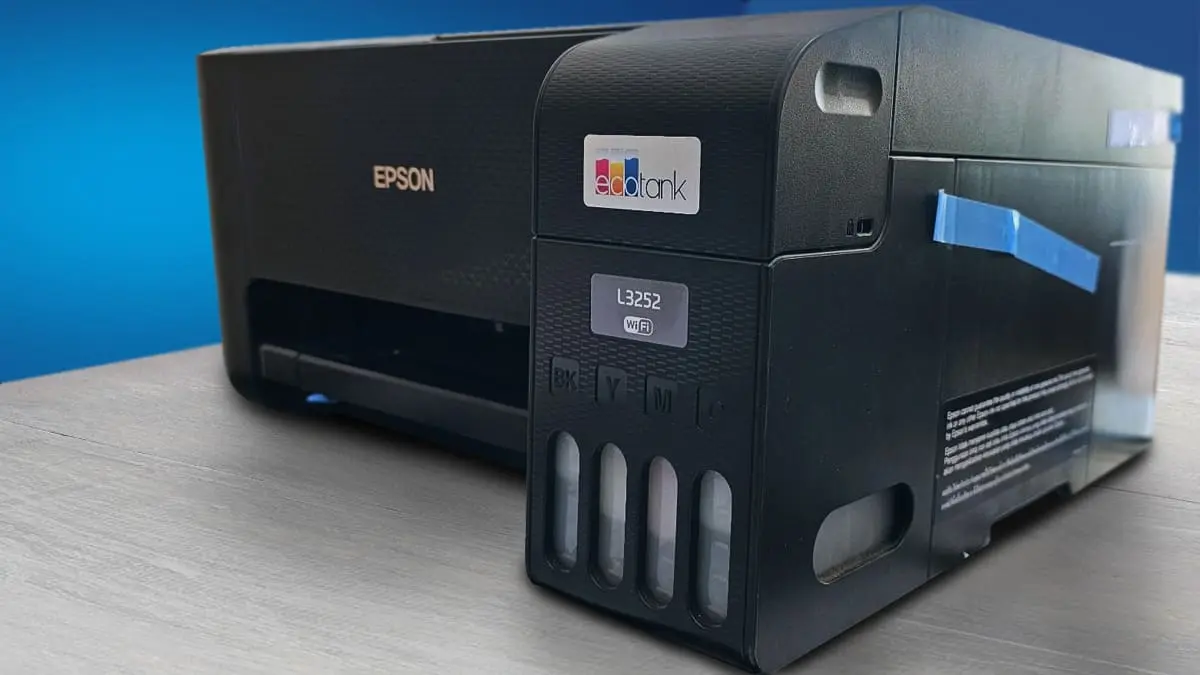
Type: All-In-One Technology: Inkjet Super Tank: Yes Color: Yes Wireless: Yes Bluetooth: Yes
Pro Tip
“Most households underestimate their printing needs by 20–40%.”
If you prefer a trusted brand known for consistent print quality and wide service support, HP offers several dependable options for light home usage.
👉 Check out the best HP printers under ₹15,000 to find models that balance affordability with reliability.
✅ 300–1,000 Pages — Students & Moderate Household Use
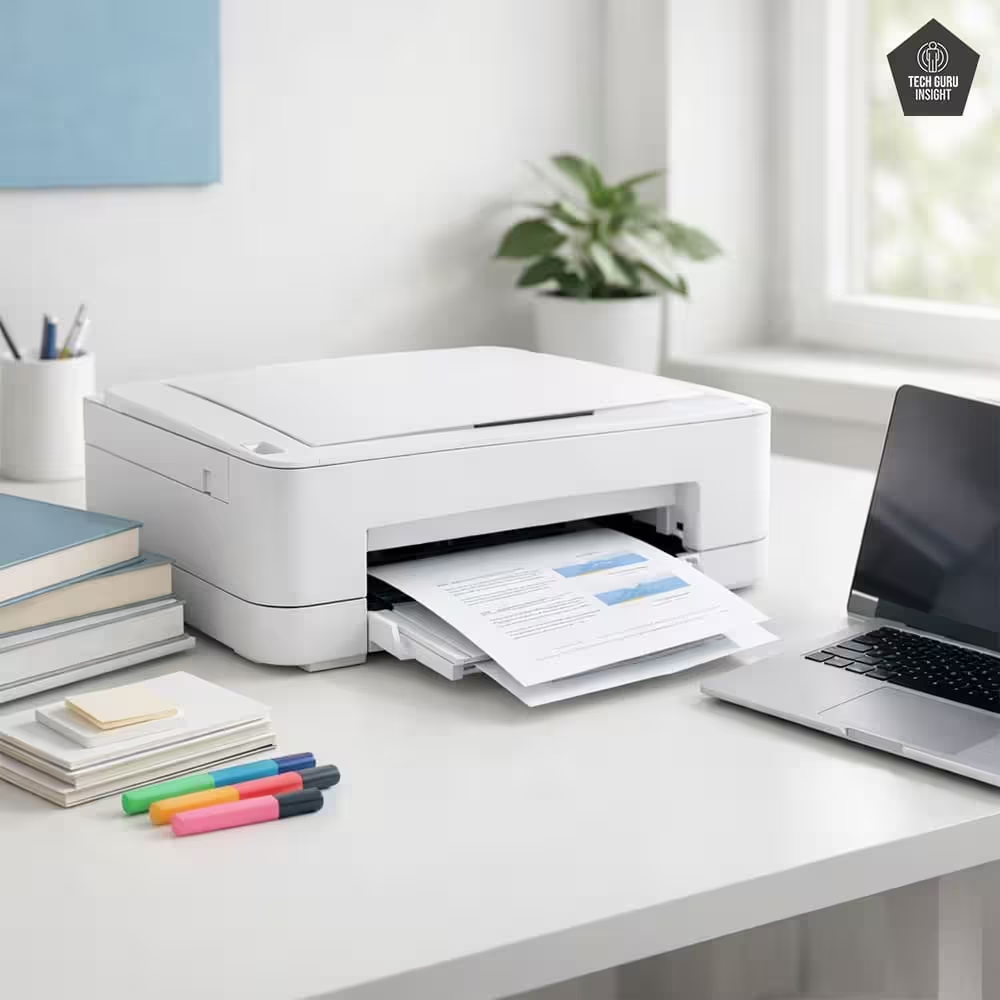
Students often assume their printing needs will remain low, but academic workloads tend to expand quickly — especially during exam periods. Notes, assignments, question banks, and research material can create sudden spikes that overwhelm entry-level printers.
Student printing is rarely consistent; it arrives in bursts, making capacity more important than many buyers initially realize.
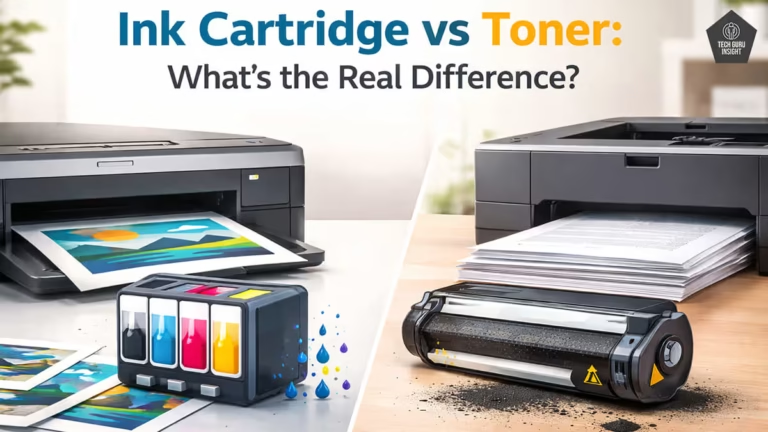
While cartridge printers attract attention with their low purchase price, they typically carry a higher cost per page and require frequent replacements — an inconvenience during busy academic schedules.
Ink tank printers are usually the smarter long-term investment. With significantly lower running costs, higher page yields, and better support for batch printing, they provide the reliability students need without constant interruptions.
When printing becomes routine, cost per page matters far more than upfront savings. Choosing a printer designed for moderate volume ensures smoother academic workflows and fewer unexpected expenses.
Our Picks
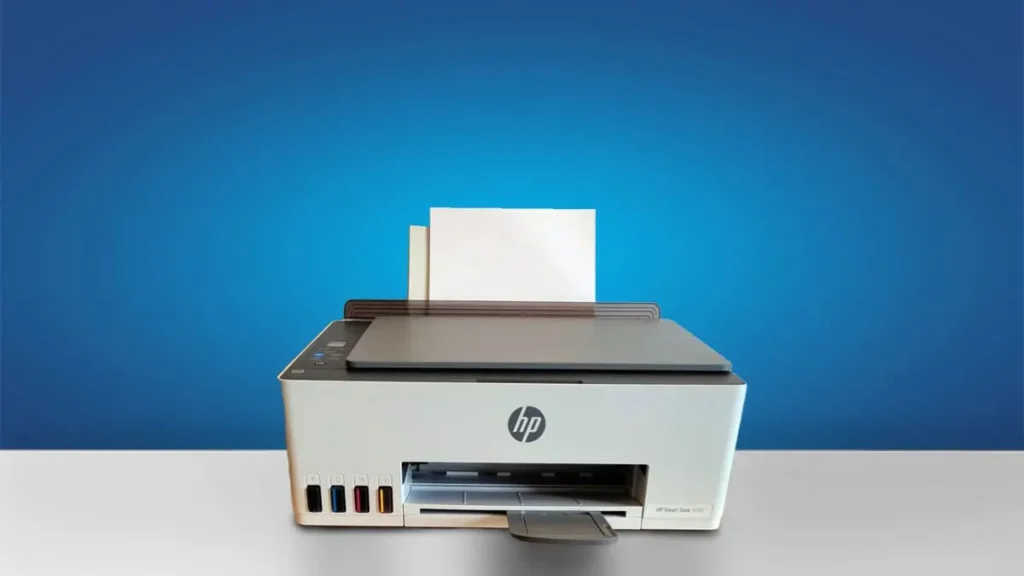
Type: All-In-One Technology: Inkjet Super Tank: Yes Color: Yes Wireless: Yes Bluetooth: Yes
Type: All-In-One Technology: Inkjet Super Tank: Yes Color: Yes Wireless: Yes Bluetooth: Yes
If your monthly printing falls in this range, an ink tank printer typically delivers the lowest long-term cost while handling consistent workloads with ease.
Decision rule:
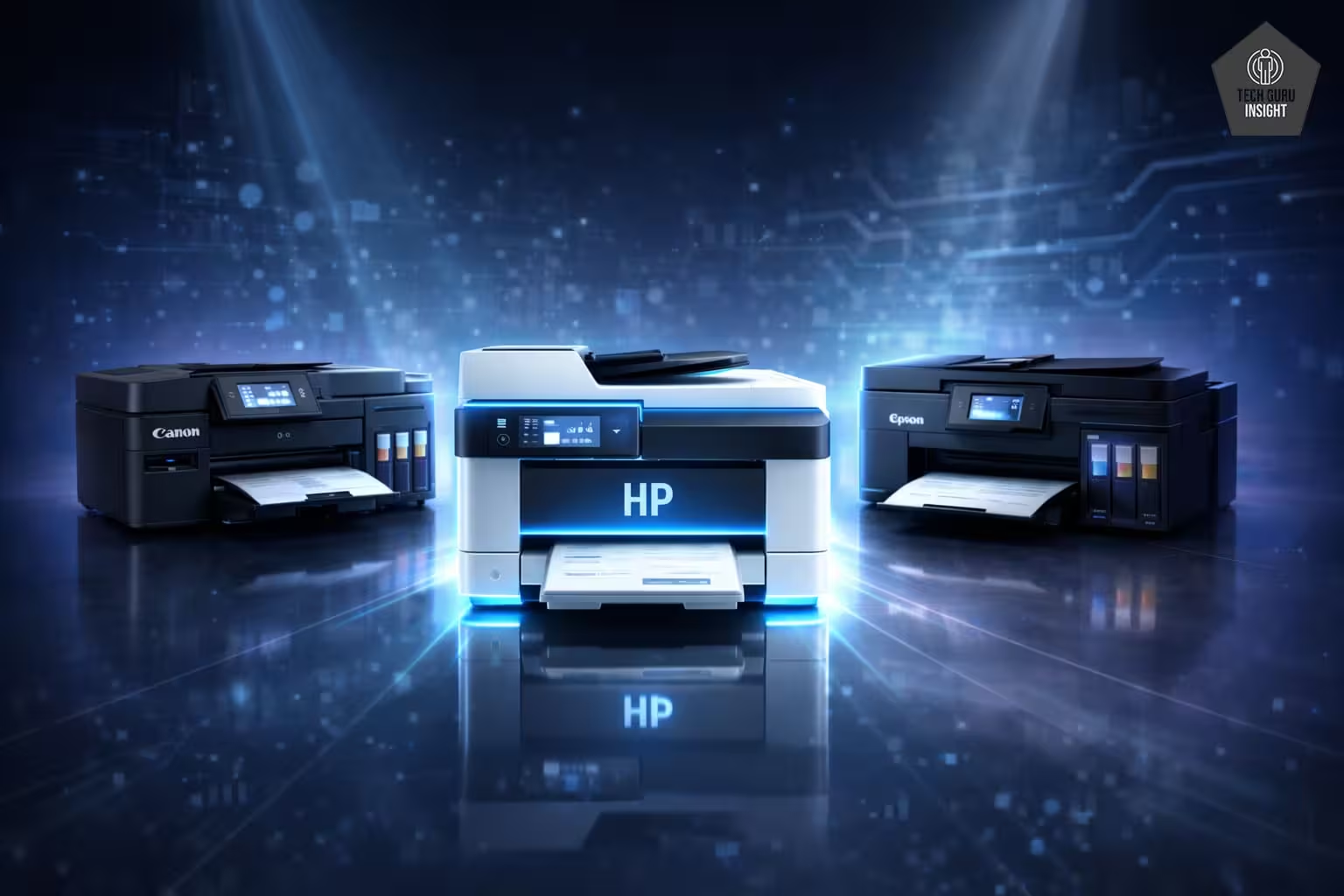
If you refill cartridges more than twice a year, upgrade to an ink tank.
✅ 1,000–3,000 Pages — Online Sellers & Small Offices
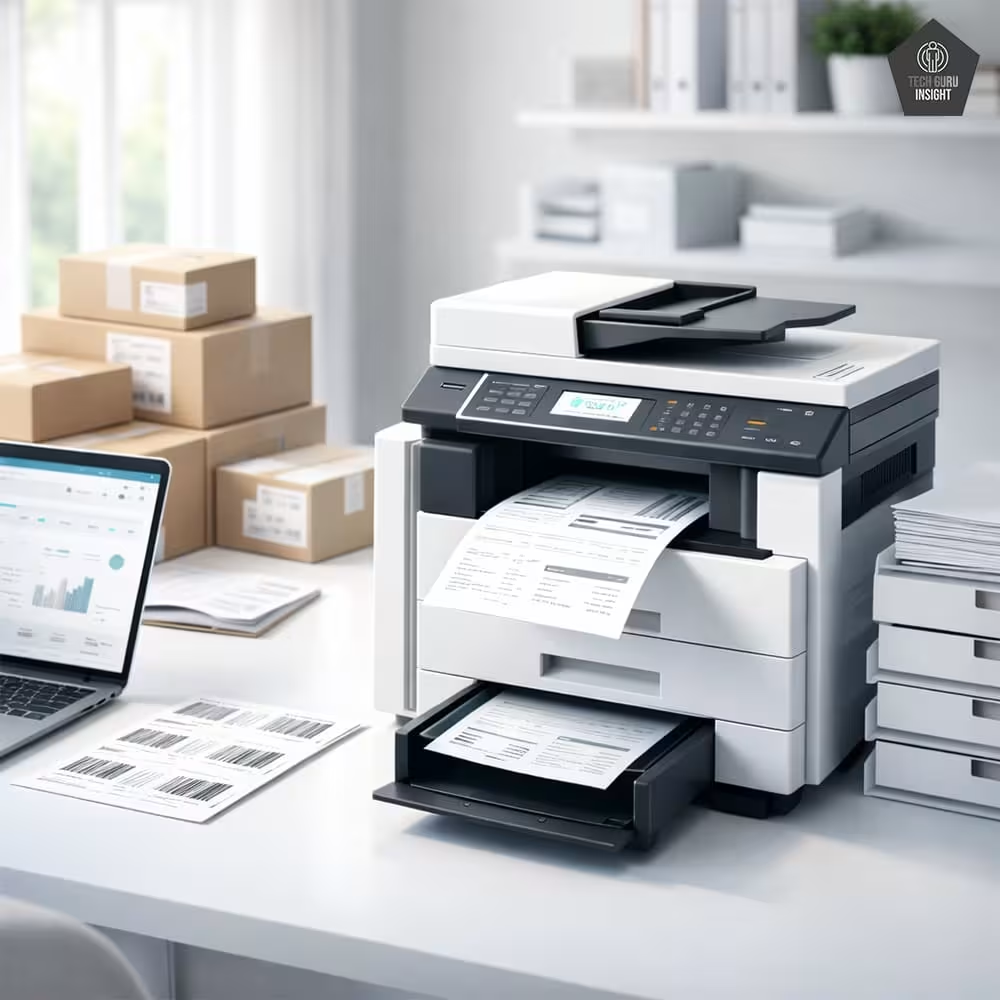
Home businesses and online sellers operate in fast-moving environments where printing is part of daily fulfillment. Shipping labels, invoices, order summaries, and return documents can quickly push monthly volumes beyond what entry-level printers can handle.
Small sellers often outgrow their first printer within months as order flow increases — making scalability an important buying factor.
For text-heavy workflows, monochrome laser printers are typically the smartest choice. They deliver sharp output, faster speeds, lower cost per page, and the durability required for consistent batch printing.
High-yield ink tank printers are a strong alternative for sellers who need occasional color for branded inserts or promotional materials, offering significantly cheaper color printing than cartridge-based models.
Cartridge printers, while affordable upfront, rarely scale well for business usage due to frequent replacements and rising operational costs.
For online sellers, a dependable printer isn’t just office equipment — it’s operational infrastructure that keeps orders moving without delay.
Laser printers thrive in consistency-driven environments where reliability outweighs color capability. The Brother HL‑L2321D is a workhorse for text-heavy printing.
“Running an online store or small office with a cartridge printer is like running a delivery service with a scooter — manageable at first, unsustainable as volume grows.”
✅ 3,000–8,000 Pages — Coaching Centers & Workgroups
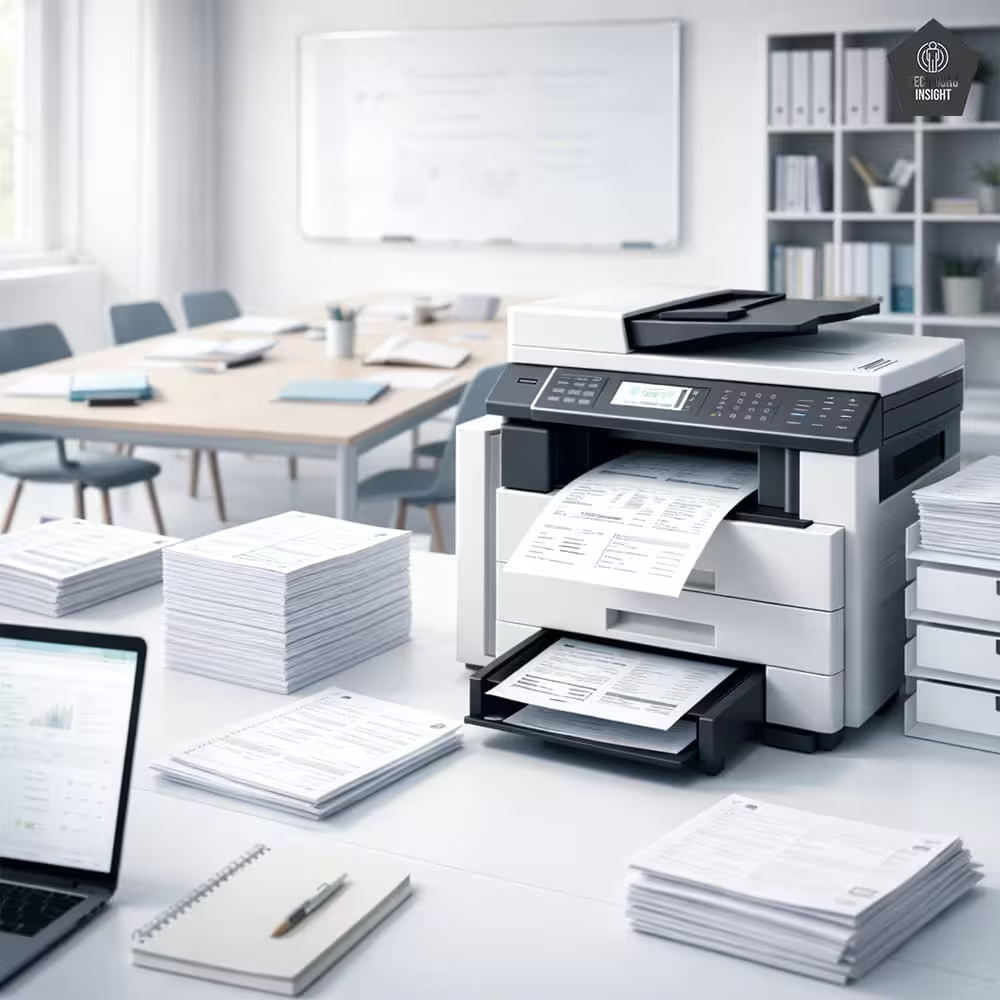
Coaching institutes operate in high-demand printing environments where printers function more like production tools than office devices. Bulk worksheets, exam papers, and regularly updated study materials can quickly push monthly volumes into the thousands.
In these settings, reliability takes precedence over color capability.
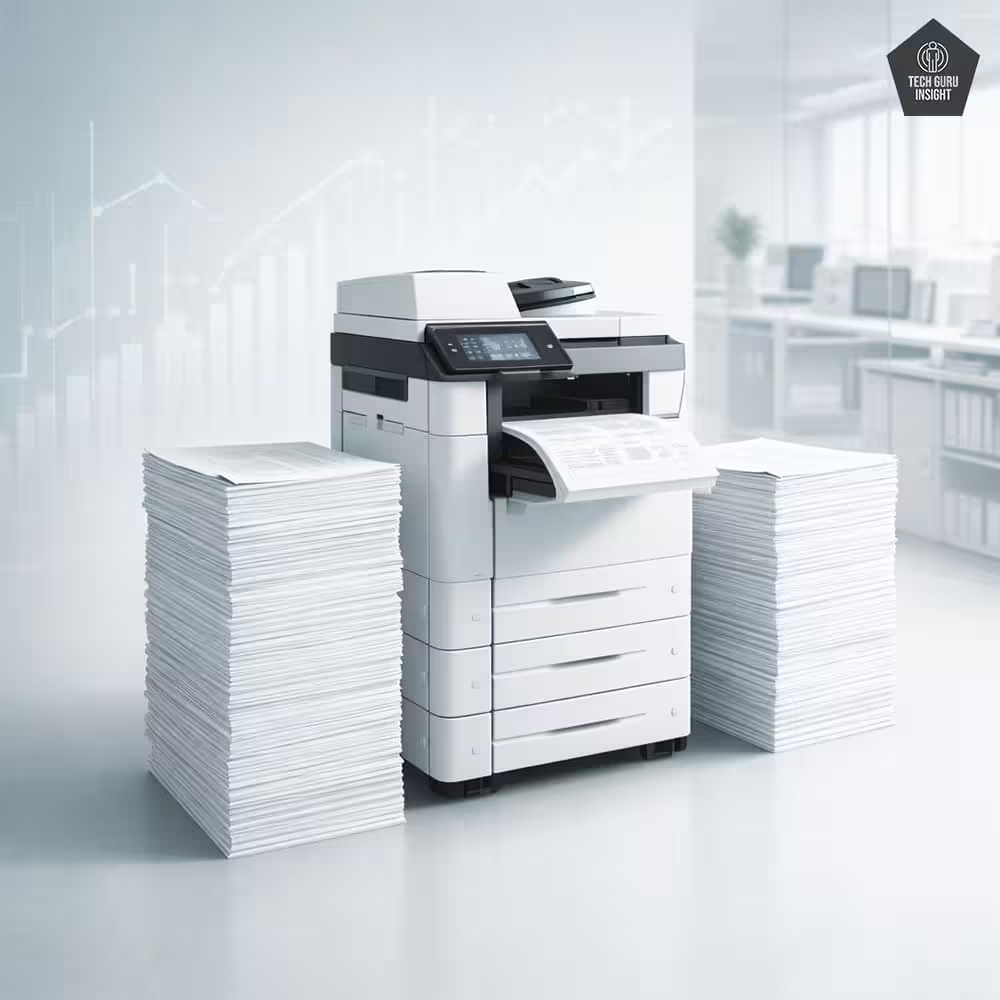
High-duty-cycle laser printers are typically the smartest investment because they deliver faster speeds, lower cost per page, and the durability required for sustained workloads.
Models with automatic duplex printing are especially valuable, as double-sided output reduces paper consumption and minimizes manual effort during large print runs.
Consumer inkjet printers, while affordable upfront, are rarely built for this level of demand. Continuous heavy usage often leads to overheating, clogged printheads, frequent refills, and rising operational costs.
Using a consumer printer in a coaching center is a short-term saving that often results in long-term frustration. Investing in a business-class laser printer ensures smoother workflows, predictable expenses, and fewer interruptions during critical academic periods.
Choosing a consumer printer here is a major buying mistake.
Look for:
- Automatic duplex printing
- Large paper trays
- High duty cycles
“Using a consumer inkjet in a coaching center is like running a café with a home coffee machine — it may work briefly, but breakdown is inevitable.”
✅ 8,000+ Pages — Growing Businesses
As organizations expand, printing needs evolve from occasional tasks into continuous operational workflows. Departments such as finance, administration, logistics, and customer support often rely on shared devices, creating workgroup environments where multiple users print throughout the day.
In these settings, network capability becomes essential. Printers connected via Wi-Fi or Ethernet allow teams to print seamlessly without disrupting productivity, while centralized access improves workflow efficiency.
Maintenance planning is equally important at higher volumes. Businesses typically prioritize devices with predictable service intervals, high-yield consumables, and strong duty cycles to minimize downtime.
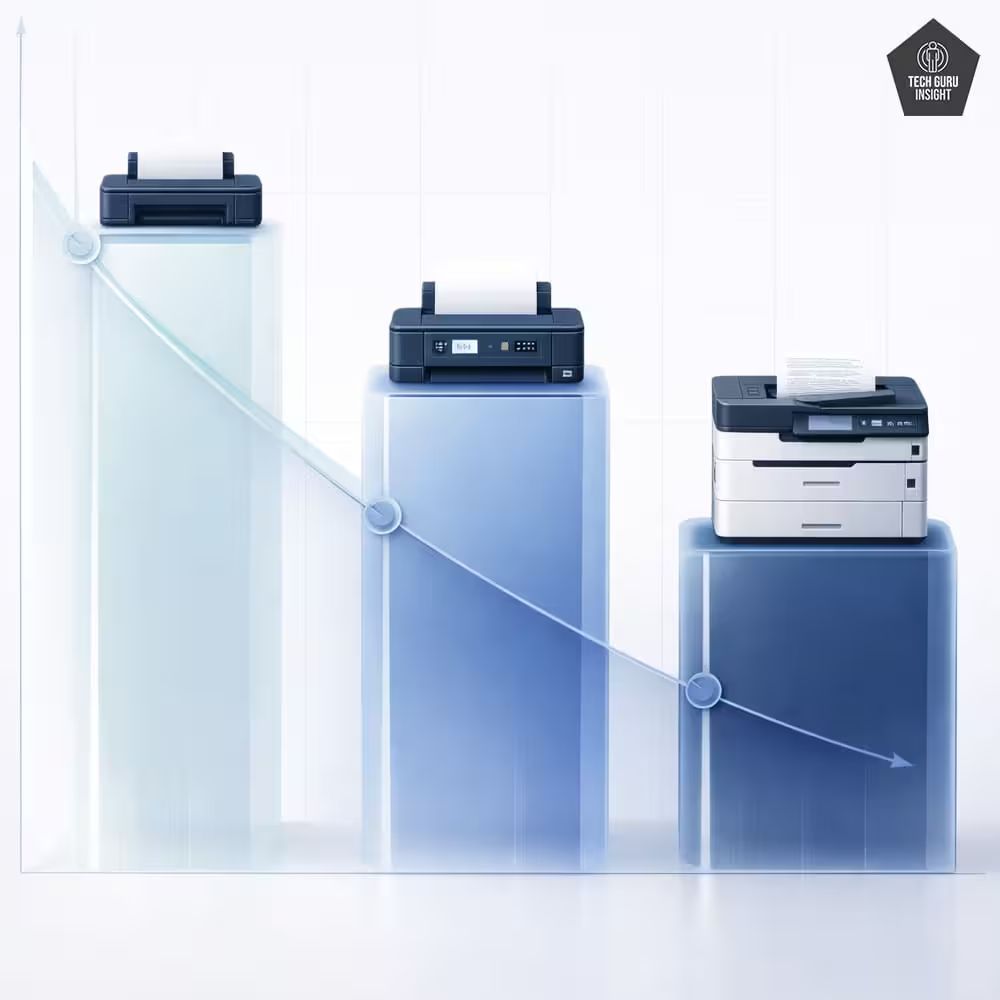
Business-class laser printers are purpose-built for these demands. With faster speeds, larger paper capacities, robust monthly volume ratings, and lower long-term operating costs, they provide the reliability growing companies require.
Attempting to meet rising demand by deploying multiple consumer printers often leads to inconsistent output and higher combined maintenance. High-growth environments benefit far more from a single device engineered for endurance.
When printing becomes integral to daily operations, investing in the right infrastructure supports smoother workflows, stronger productivity, and scalable growth.
“At this level, printers stop being devices — they become infrastructure. If you’re unsure, choose a printer rated for at least 30–50% higher volume than your current needs. This buffer prevents performance drops as your printing grows.”
How to Estimate Your Monthly Printing Needs?
Most people guess — and guess wrong.
Use this formula:👉 Pages per day × Working days = Monthly volume
Example: 25 pages × 22 days = 550 pages
Pro Tip
“Check past paper purchases or print logs for better accuracy.”
Duty Cycle vs Recommended Volume (Critical Buying Knowledge)
Duty cycle represents peak tolerance — not sustainable usage.
If a printer lists:
- Duty cycle: 10,000 pages
- Recommended volume: 2,000 pages
Running near the maximum accelerates wear.
Treat duty cycle as a ceiling — never a target.
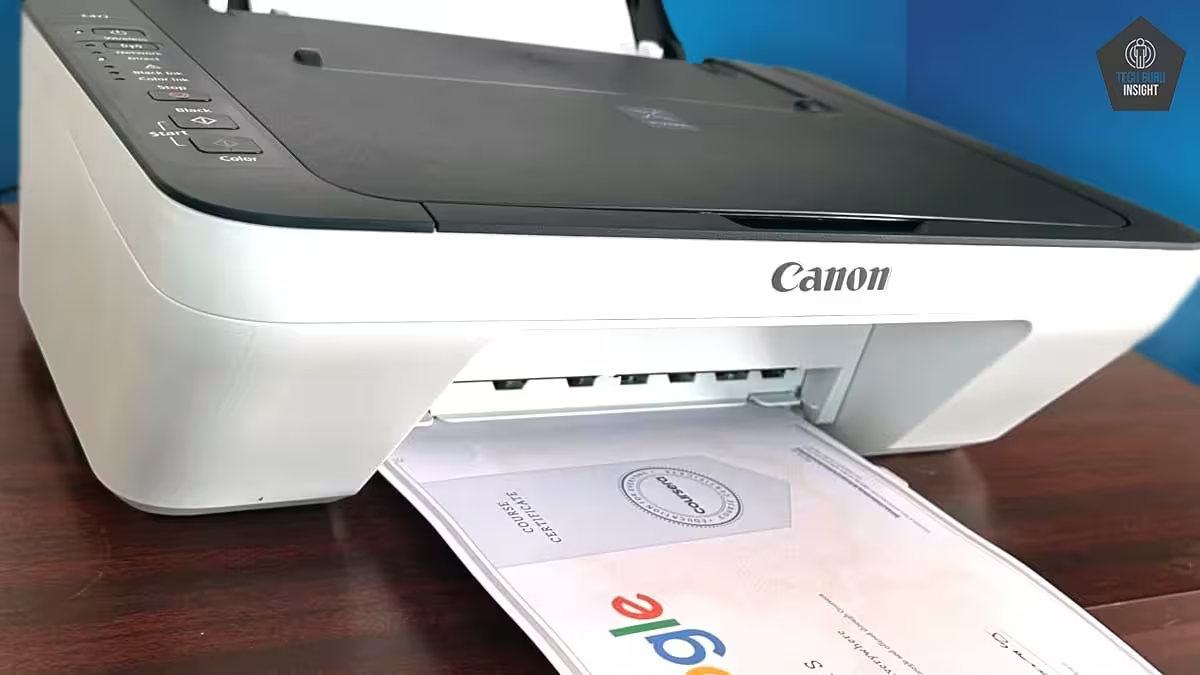
“The HP Smart Tank 580 is ideal for homes printing under 400 pages, while models like the Brother HL-B2080DW are better suited for workloads exceeding 2,000 pages.”
Cost Per Page — The Hidden Metric Smart Buyers Use
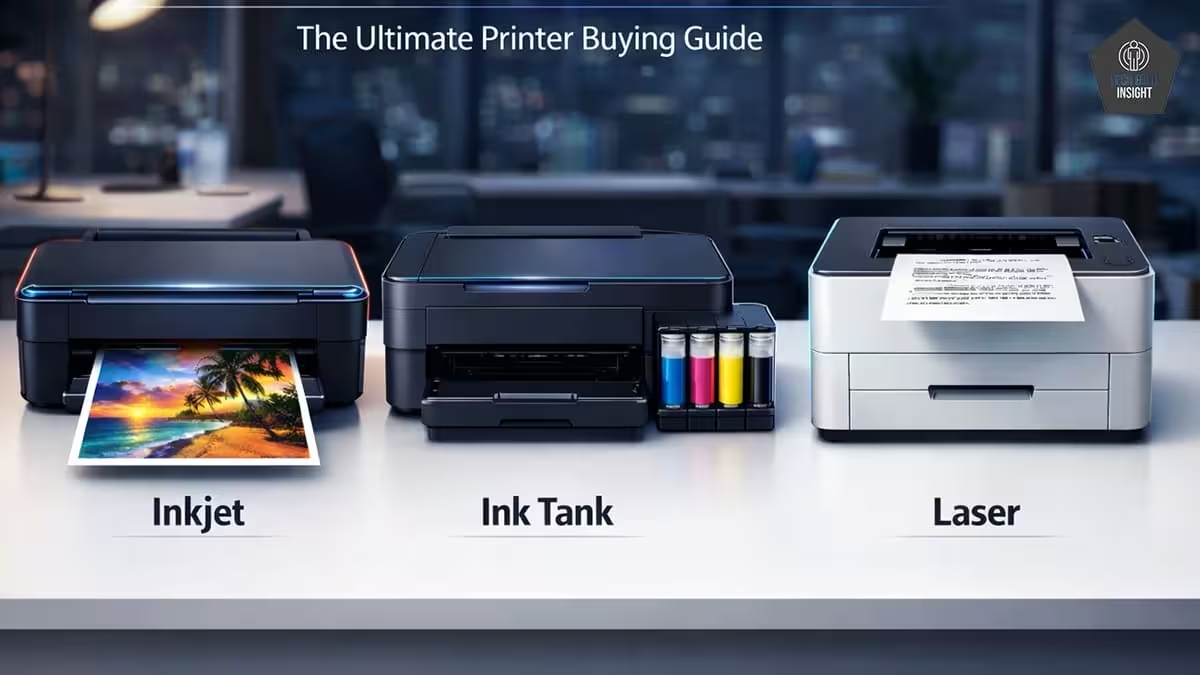
Typical cost hierarchy:
- Cartridge printers → Highest
- Ink tanks → Much lower
- Laser → Extremely efficient for text
Over time, savings from a lower cost per page often exceed the printer’s purchase price.
Cost Psychology
Cartridge Printer
- Cost per page: ₹3–₹5
- 1,500 pages = ₹4,500+
Ink Tank
- Cost per page: ~₹0.20–₹0.40
- 1,500 pages = under ₹600

Pro Tip
“Cheap printers rarely stay cheap.”
Warning Signs Your Printer Cannot Handle Your Workload
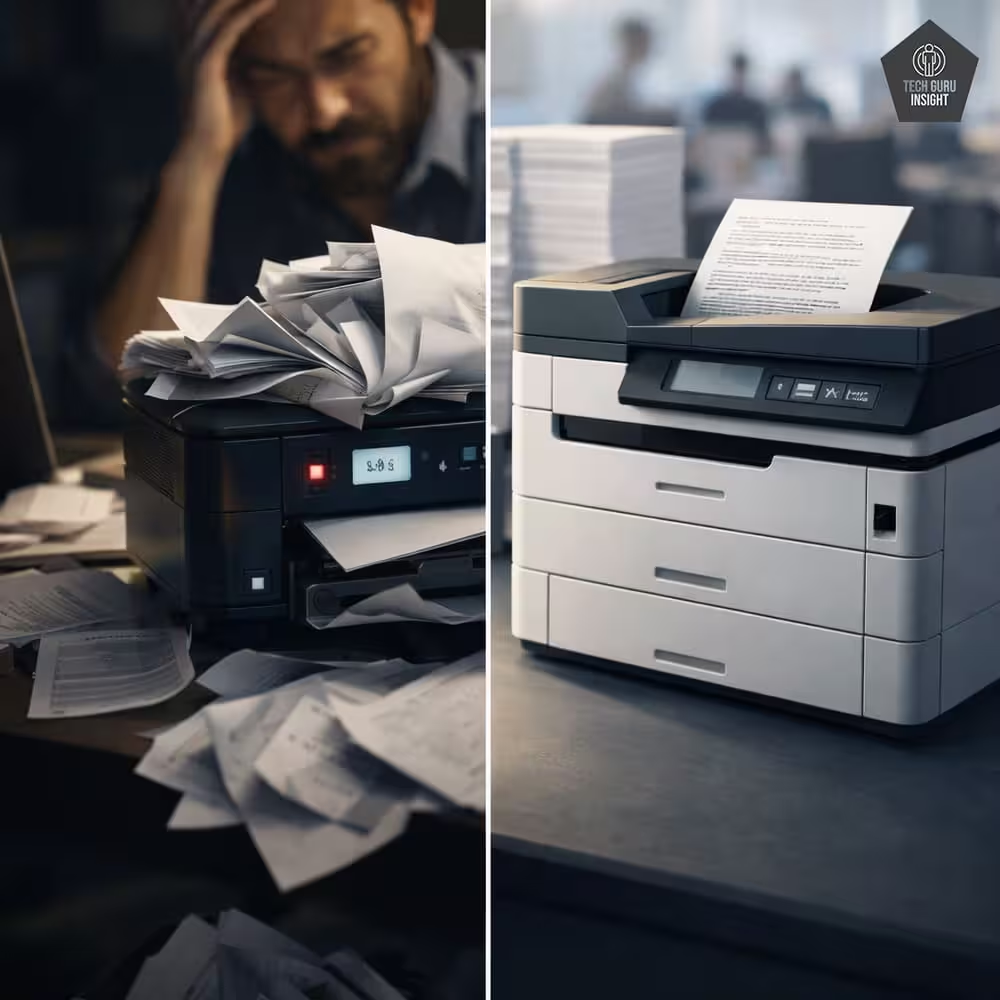
Watch for these early indicators:
- Frequent consumable replacements
- Overheating
- Slower print speeds
- Recurring paper jams
- Rising printing costs
These signals often appear months before a printer fails outright.
👉 Related Read: 7 Signs Your Printer Is Too Small.
Common Mistakes to Avoid
- Buying based only on price
- Ignoring refill costs
- Misunderstanding the duty cycle
- Overestimating color needs
- Underestimating growth
Pro Tip
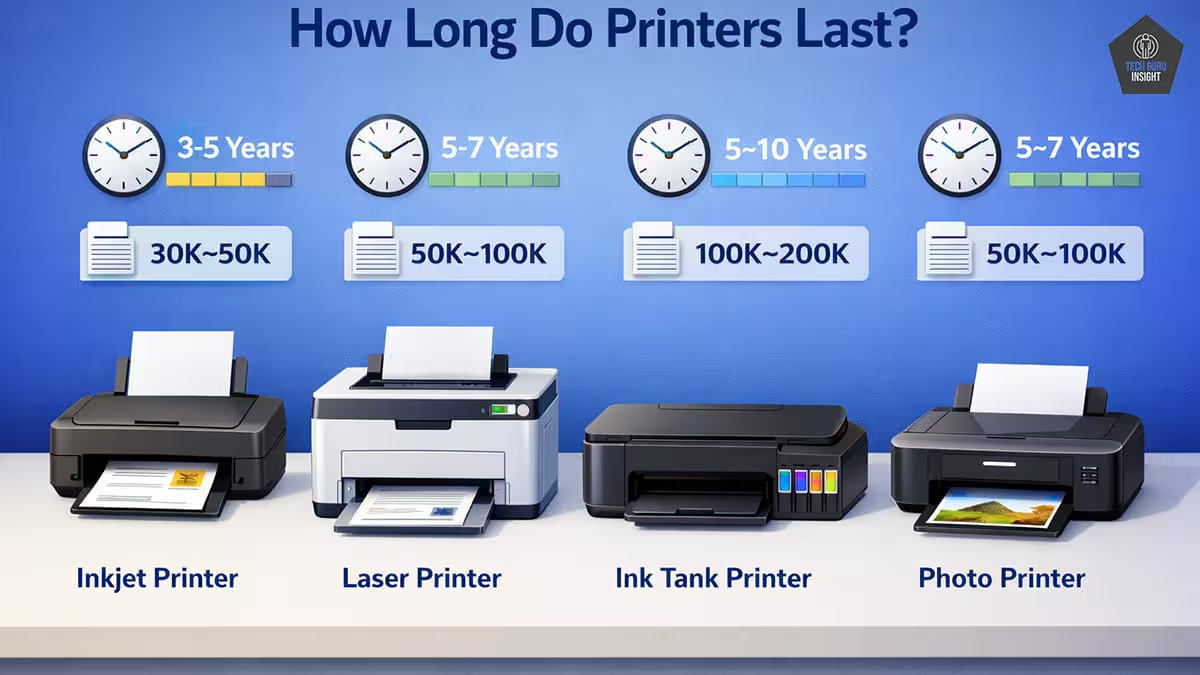
“A well-matched printer can operate efficiently for years with minimal intervention.”
Quick Printer Selection Cheat Sheet
✅ Under 300 pages → Inkjet / Ink Tank
✅ 300–1,000 → Ink Tank
✅ 1,000–5,000 → Laser
✅ 5,000+ → Business Laser
Pro Tip
“Simple decisions usually produce the best long-term outcomes.”
Expert Recommendation: Future-Proof Your Purchase
Choosing a slightly higher-capacity device ensures:
- Better performance
- Lower stress on components
- Longer lifespan
- Fewer upgrades
Don’t Buy for Today — Buy for the Next 2 Years
Workloads grow faster than expected:
- Students → internships
- Sellers → higher order volume
- Coaching centers → more batches
👉 Outgrowing a printer is one of the most common hidden expenses. Think long-term — your future self (and budget) will thank you.
Pro Tip
“The right printer isn’t the cheapest — it’s the one built for your workload.”
Final Thoughts
Matching your printer to your monthly print volume is one of the smartest technology decisions you can make. When workload and device capacity align, printing becomes faster, more economical, and far less frustrating.
Evaluate your needs carefully, plan for moderate growth, and invest in a printer engineered for endurance — not just affordability.
FAQ
Q1: What is a good monthly print volume for home use?
A monthly volume of 0–300 pages is typical for most homes. Inkjet printers usually perform well within this range.
Q2: Is the duty cycle the same as the recommended monthly volume?
No. Duty cycle indicates the maximum pages a printer can handle, while recommended volume reflects sustainable usage.
Q3: Which printer is best for high-volume printing?
Laser printers are generally better for high-volume environments due to faster speeds and lower cost per page.
Q4: How do I calculate my monthly print volume?
Multiply the average pages printed per day by the number of working days in a month.
Q5: Should I buy a printer above my current needs?
Yes. Choosing a printer rated 30–50% higher than your workload allows room for growth and improves longevity.
Q6: How many pages per month is considered heavy printing?
Heavy printing is typically considered anything above 1,500–2,000 pages per month, but the exact definition depends on the type of printer being used.